
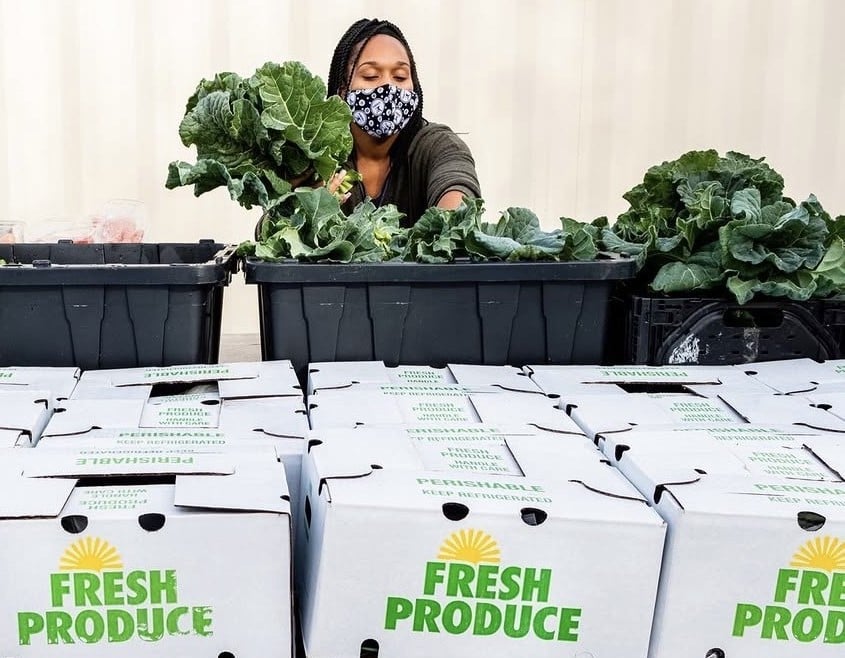
Dionne Washington learned how to grow food by watching her grandfather work on his farm.
That skill came in handy when she noticed the price of food started to soar nearly a decade ago while trying to raise three children with her partner.
“We started a backyard garden and quickly grew several plants of tomatoes and fruits, so we started to share them with our neighbors,” said Washington, a student in Grand Canyon University's College of Doctoral Studies.
The abundance of tomatoes enabled Washington to start Project Soups, where those tomatoes were transformed into tomato soup and served to the homeless encampment in downtown Phoenix until Washington was told that this contributed to the trash population.
After the initial shock, she rebounded by starting nonprofit Project Roots AZ and renting farmland from the city through Agave Farms. She learned from indigenous farmers who cultivated the right soil that produced traditional food.
Another roadblock ended that journey, but Washington learned of a farm at Spaces of Opportunity in South Phoenix, where her mother taught in the Roosevelt School District.
Washington was amazed, learning that she could rent a row that expanded to a half acre.
“That’s when COVID hit. And when everything else was shutting down, we got busy.”
Washington, president and CEO of Project Roots, remains busy – and determined – even with funding challenges and greater demand for their food, which makes plans to expand to other regions difficult.
“We’re still fundraising. We’re still trying,” she said.
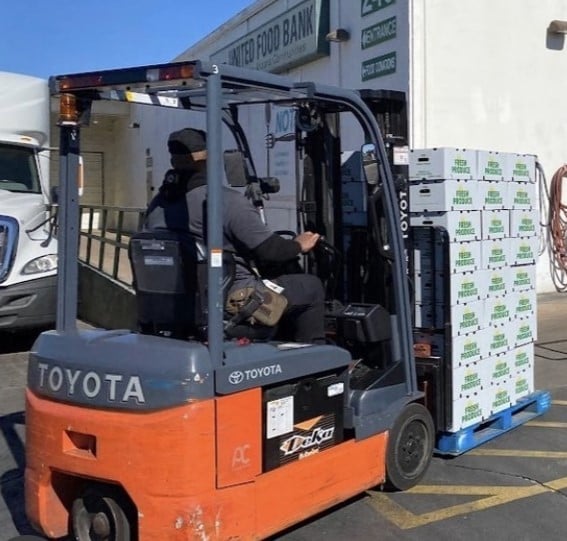
About 800 people are on the waiting list for Project Roots' service. That’s a daunting task, especially since funding is not nearly as robust as it was during COVID, when the Arizona Food Network presented a $100,000 grant to Project Roots so it could work with local farmers, buy boxes of carrots, lettuce and other produce, and distribute it to their food banks for people in need.
Washington emphasizes that locally grown food is fresher than what is sold in grocery stores, which sits on trucks before it arrives and loses nutritional value as each day passes.
“To this very day, people still need food," Washington said.
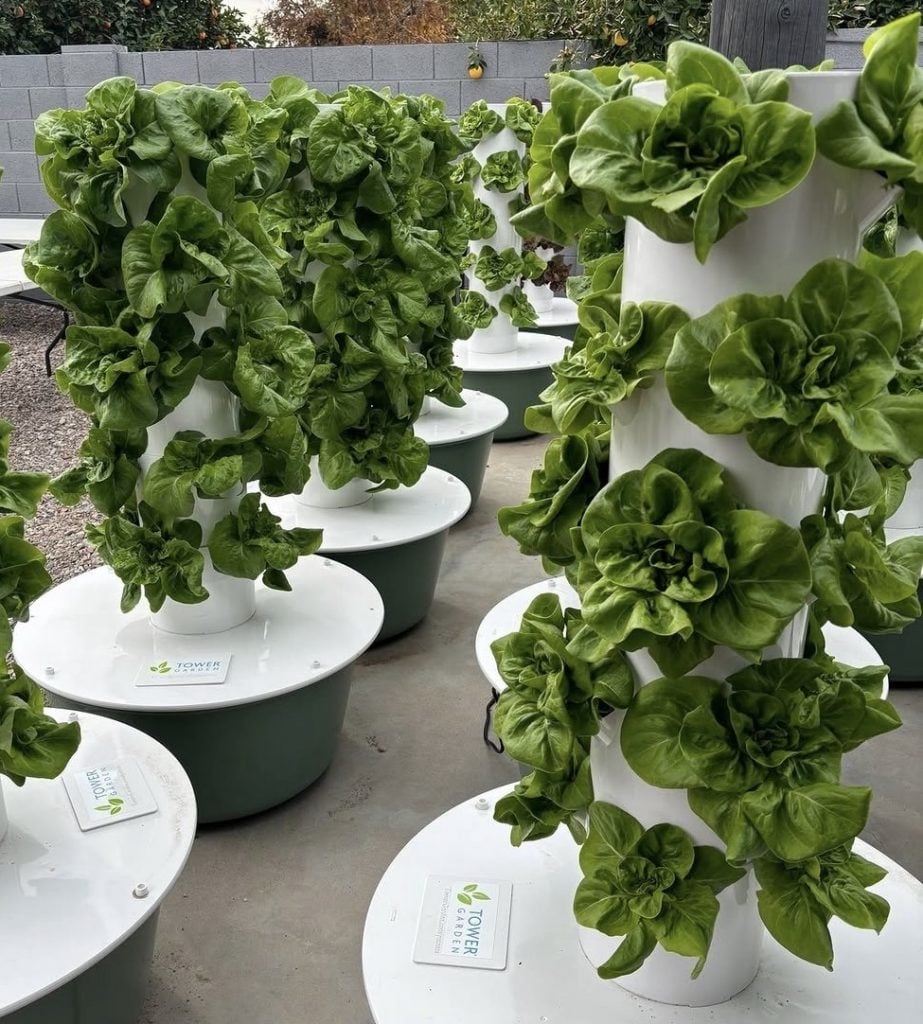
Seattle Pride, a nonprofit organization, took note of Project Roots and awarded it a $3,500 grant to grow produce. Seattle’s dense population presents its set of challenges, but a tower garden system enables produce to grow indoors with a fraction of the water required outdoors.
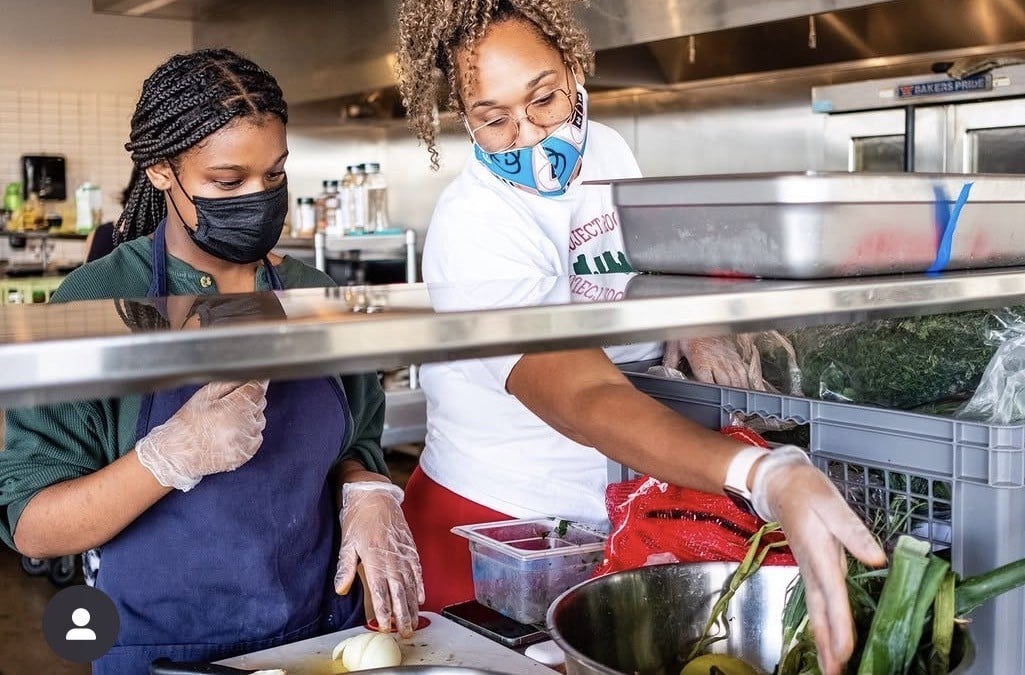
“Now we’re trying to find five families and teach them how to grow food, have workshops, (and participate in) harvest events and Zoom calls to make sure everybody feels supported,” Washington said. “But we’re crawling before we walk. We just don’t want to get up there and tell the community what they need. We want to listen to our community and ask them what they need and move forward.”
Washington, however, dreams big. Project Roots is targeting California – specifically Los Angeles – to address its large homeless problem. “We just want to stay on the west side unless God moves us to the southern states, which is another opportunity as well.”
There’s also a plan to establish a tower farm in Arizona, which could be essential because of the state’s long-range water concerns.
"Imagine a greenhouse filled with 300 to 400 vertical garden towers stretching toward the ceiling of a greenhouse,” Washington said. “In a setup like that, we can grow between 7,000 and 10,000 heads of lettuce every 30 to 45 days – using up to 95% less water than traditional farming. What started as a single tower garden in my home becomes a fully scalable tower farm capable of feeding several Phoenix communities.
“It’s our goal to have a large farm in one of these states – Washington, Arizona or California.”
By that time, Washington may have her third GCU degree. She earned her bachelor’s degree in applied management and master’s in business administration and is one year into her work toward earning a doctorate in business administration.
"We are humbled to be stewards to such a passionate servant like Ms. Washington," College of Doctoral Studies Assistant Dean Dr. Nicholas Markette said. "It is exciting to know that her impact dissertation may solve problems in our community."
GCU “taught me the meaning of servant leadership and how to be a professional, and treat people with empathy,” said Washington, who also has worked as an operations director, event planner and WNBA agent. “I learned teamwork there and learned to listen with an empathetic ear. I learned this wasn’t a sales job, but that I had to believe in education.
“For me to do that, I had to go to class there. I really feel like GCU has poured into me, more than I have given it. That’s why I continue to get degrees from the same school. I’m really proud of that.
“My biggest thing is I didn’t know what servant leadership was. I didn’t realize that was my leadership style. It most certainly is now.”
GCU News senior writer Mark Gonzales can be reached at [email protected]
***
Related content:
GCU News: Doctoral candidate studies to save shorelines
GCU News: Researcher who battles sickle cell driven to help others