Emily Orvos is a campus registered dietitian, so food is no passing thought.
It’s why she and others in the Canyon Health and Wellness Clinic saw the need to open a food pantry for low-income Grand Canyon University students.
“I’ve worked with so many students who are on tight budgets or come from families without a lot of money to give them but still can’t apply for federal assistance, so there are a lot of tricky situations where students don’t have access to enough food.
“Food is a basic necessity. If they don’t have enough food, these kids aren’t going to perform well in class, which will affect their grades, which can impact their future.”
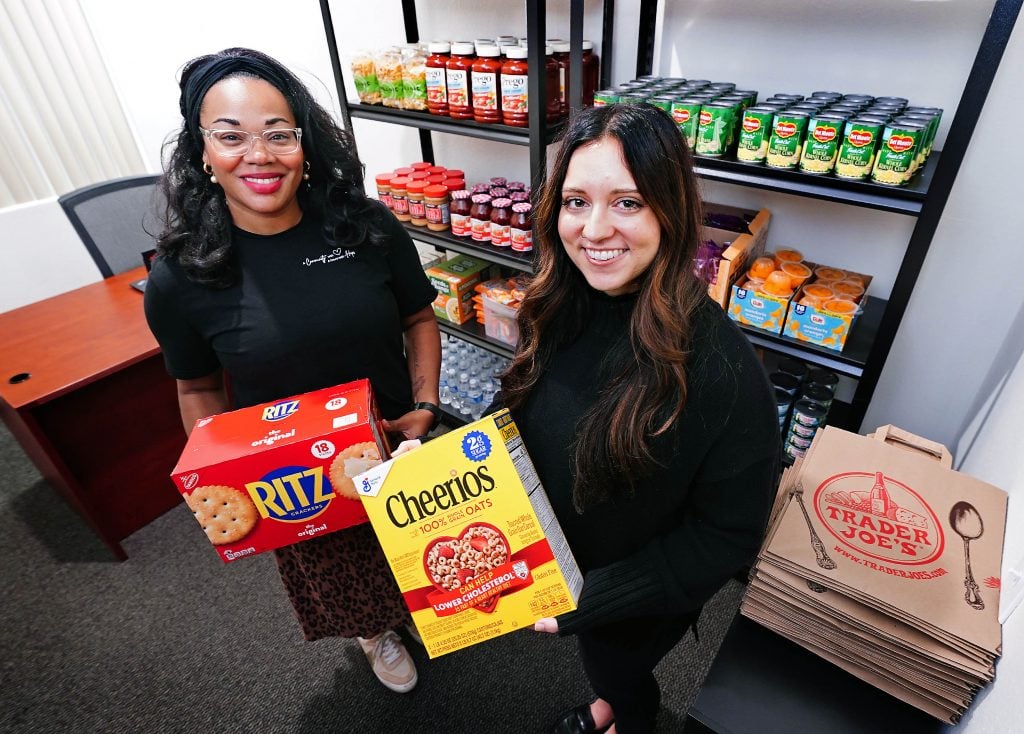
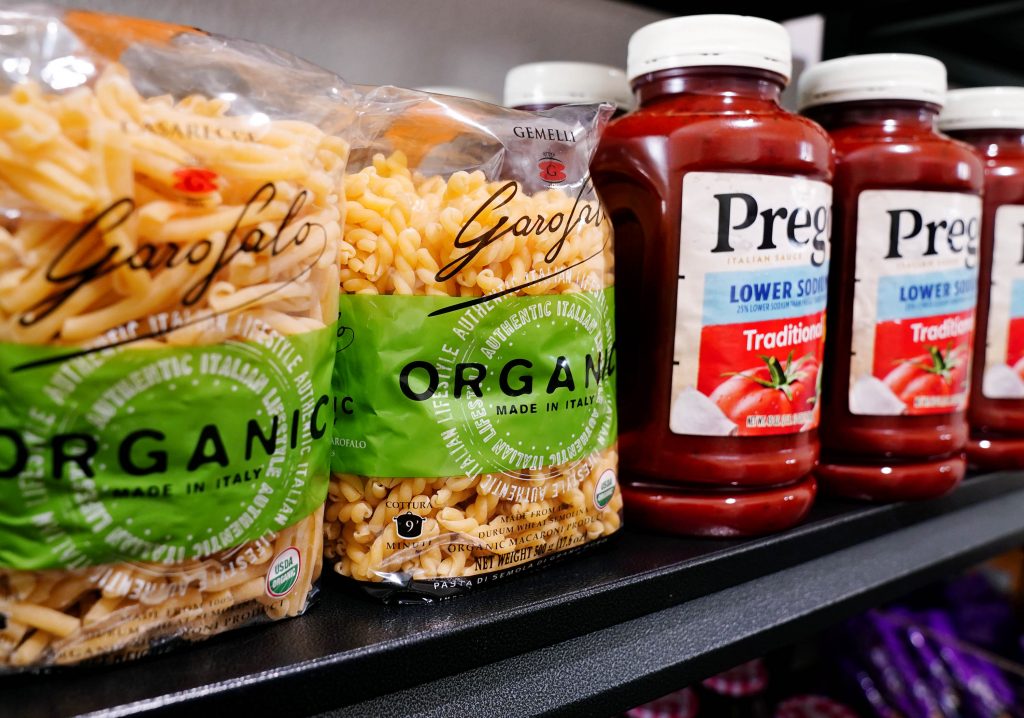
Lopes Pantry, a campus food bank, is in the back of the health clinic in Papago (Building 47) and opened earlier this week with shelves of jam, peanut butter, cereal, pasta, canned meats and other items. Ten students had utilized it by midweek.
One called it “a blessing.”
Orvos, Director of Health Services Connie Colbert and Fostering Futures Student Administrator Brandi Turner got the initial food stock started with a small department outlay and will be organizing donation drives and asking for support during the Day of Giving on Oct. 22.
Nearly 1 in 4 U.S. college students face food insecurity, according to 2020 data by the U.S. Government Accountability Office.
The Blessing Box, a shelf of goods on the second floor of the College of Humanities and Social Sciences Building, was started by a social work student in 2023, but Turner thought much more was needed.
She is known to have a stash of noodles, granola bars or treats for hungry students who have Fostering Futures scholarships. Those Fostering Futures students have aged out of foster care but live year-round on campus through breaks and holidays, so monthly dining allotments can run out.
“My office was the pantry, now this can be a separate space,” she said.
“The beauty of having Emily spearhead this is we have a dietitian who can say, ‘OK, we have $500, we need pasta and protein and starches, and how can we create a meal on that?’”
Standing near the shelves, stacked with household items, nuts, Ritz crackers, oatmeal, quinoa and rice, Orvos is in her element.
“I don’t think of food as good or bad. I like to think of foods as situational,” Orvos said. “What can we combine to create a wider nutrient profile?
“Like ramen, I see it as a great source of carbohydrates. We can make it better by adding fiber and protein,” she said of adding meat or veggies, while subtracting food stigmas.
“When students are hungry, food is food. We can always add quality to your diet later. It’s a matter of adding energy.”
Trader Joe's also donated bags, so after students shop, there is no stigma walking across campus with trash bags. “Other people don’t have to know you just left the pantry,” Turner said.
Student workers will help track how many students are assisted in the pantry, which also includes clothing and is hoping to get more household items, such as soap, toilet paper and paper towels, which can really cut into tight grocery budgets.
Orvos said donations can be dropped off at Papago (Building 47), while citing Matthew 25, which “calls us to feed the hungry.”
HOW TO USE LOPES PANTRY
Set up an appointment (8 a.m.-noon, Monday-Wednesday-Friday) by contacting [email protected]. Check in at the front of the Student Health Center to be directed to the pantry in the rear of the building.
Grand Canyon University senior writer Mike Kilen can be reached at [email protected]
***
Related content:
GCU News: Students look up to a future with Fostering Futures Scholarship