(Jan. 7, 2026) – At a time when students and families are facing rising tuition and questions about the long-term value of a college degree, Grand Canyon University has announced it will freeze tuition on its Phoenix campus for the 18th consecutive year. This decision extends the university’s commitment to keeping a college education affordable to all socioeconomic classes and provides a level of predictability that has become increasingly rare in higher education.
The private Christian university’s ground campus tuition in 2026-27 will remain at $16,500 before institutional aid is included. More than 92% of GCU’s traditional students qualify for institutional scholarships that totaled $181 million in 2025, which brought the average tuition cost in 2024-25 to approximately $8,900, which is comparable to public universities and far below other private schools. That total does not include federal aid such as Pell grants and subsidized student loans or external scholarships that lower students’ out-of-pocket expenses further. In addition to tuition, GCU students pay an estimated $1,500 annually in fees, excluding book access fees, which is comparable to other universities.
According to data from the College Board’s “Trends in College Pricing and Student Aid Report,” since 2008-09 when GCU began its tuition freeze, the average cost for in-state tuition and fees at four-year public colleges has risen 81%, from $6,585 to $11,950, while it has risen 78%, from $25,143 to $45,000 at four-year private institutions.
“When you look at the rising costs in higher education, it’s not surprising that families are questioning the value of a college education. By freezing our tuition for nearly two decades, we have been able to build trust and predictability without compromising our academics,” said GCU President Brian Mueller. “Our campus has grown exponentially, and we are blessed it has occurred without passing those costs on to students and without requiring state tax subsidies that public universities receive.”
GCU’s housing costs are also well below the national average. The average cost for room and board at a four-year public college rose to $13,900 in 2025-26 and to $15,920 at a four-year private institution, according to the College Board. GCU’s average room and board cost in 2025-26 is estimated at $10,658 even though nearly all of the modern residence halls have been built in the past 15 years and roughly 64% of the university’s beds are single-occupancy, apartment-style living.
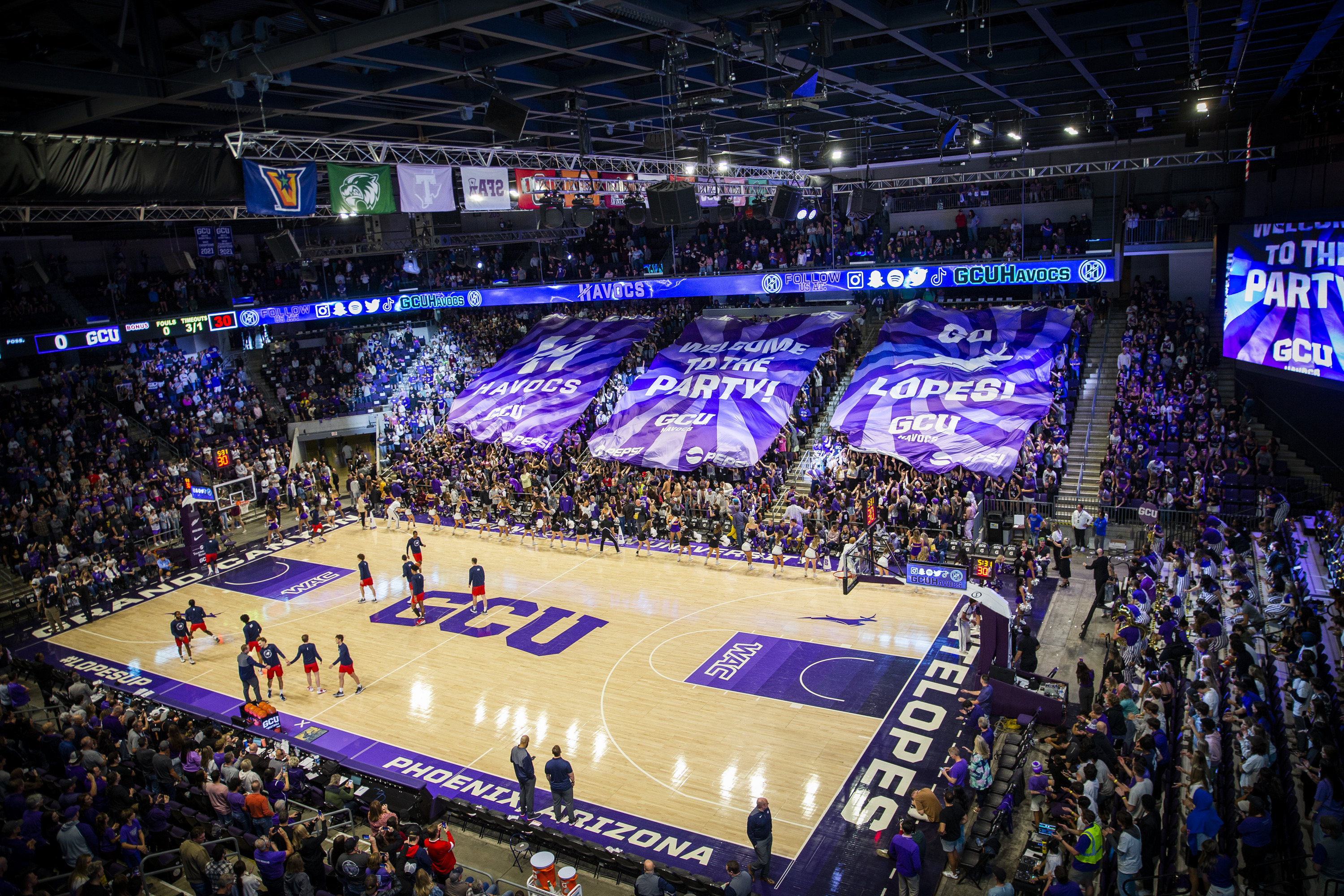
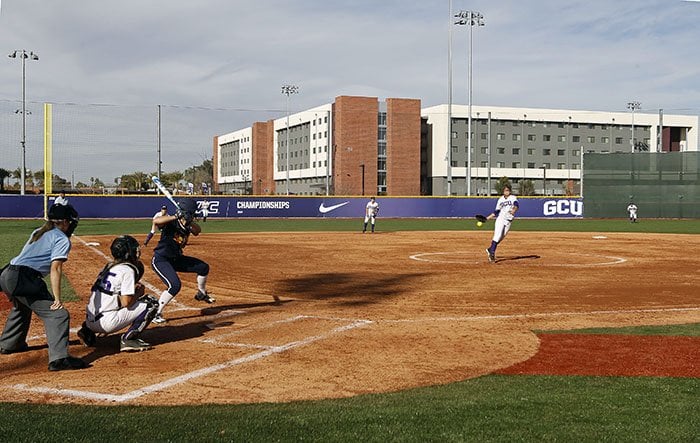
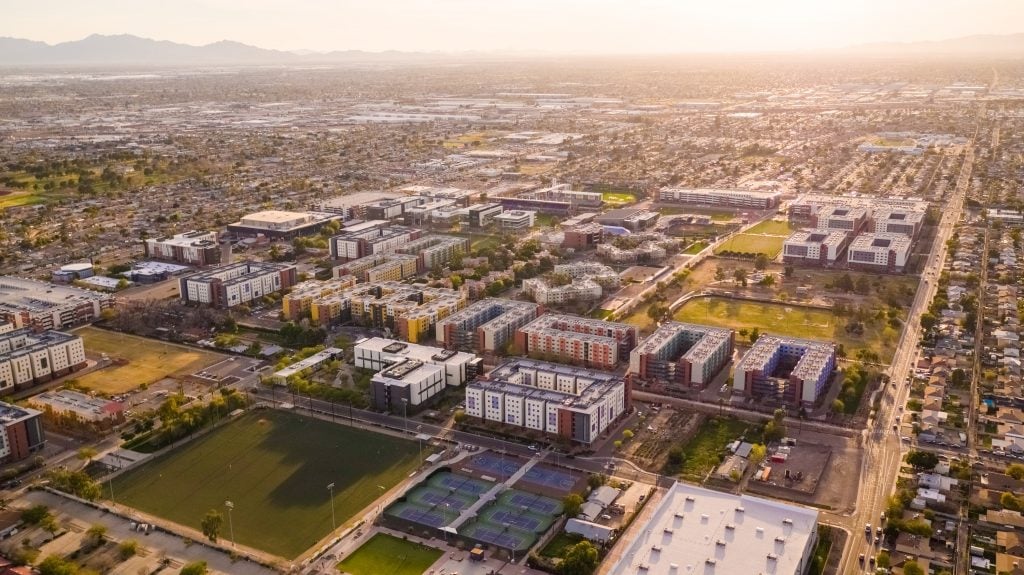
Since 2008, enrollment on GCU’s campus has grown from less than 1,000 traditional students to approximately 25,000 while the physical campus has tripled in size to 300 acres. The university has invested more than $1.8 billion in academic infrastructure that includes new degree programs, classrooms, laboratories, research spaces, residence halls and technologies throughout its 10 colleges.
“Freezing tuition costs is one way that we ensure higher education is affordable to all socioeconomic classes,” said GCU President Brian Mueller. “That increases diversity on college campuses (over 40% of GCU’s ground campus enrollment are students of color), makes higher education more accessible to first-generation college students and helps prevent students from taking on large amounts of debt.”