
Two graduate counseling programs at Grand Canyon University recently were granted accreditation from the Council for the Accreditation of Counseling and Related Education Programs.
The Master of Science in Clinical Mental Health Counseling, in all emphasis areas for online and in-person, and the Master of Education in School Counseling earned what is often considered the gold standard of accrediting bodies in counselor education.
It means counseling graduates in those programs, retroactively dating to Jan. 17, 2024, are considered graduates of a CACREP-accredited program, which eases some licensure approvals and opens additional employment opportunties.
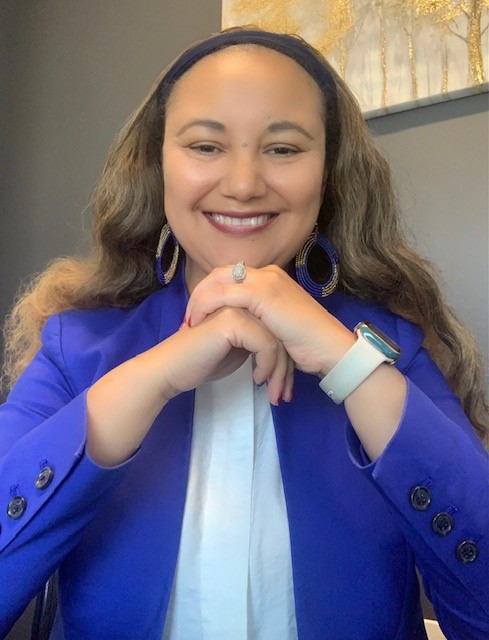
That will affect thousands of students, including Emalee London, who is a graduate student in clinical mental health counseling/trauma.
She said the accreditation will speed up her licensure process and expand the number of employers who can hire her.
She wasn’t surprised by the accreditation.
“In my experience in the program, the rigorousness of the curriculum as well as the holistic perspective and emphasis on ethics is a great asset,” London said. “In each course, I have had the opportunity to connect what I’m learning to specific examples and apply everything in light of the American Counseling Association Code of Ethics and specific CACREP standards.”
The CACREP accreditation process explores how programs meet standards of academic excellence, accountability and preparing counseling students “who are ethically and culturally responsive and dedicated to serving the needs of diverse communities,” said Dr. Kimberly Grigg, CACREP liaison and director of the school counseling program at GCU.
Added College of Humanities and Social Sciences Assistant Dean Dr. Anna Edgeston, who leads graduate counseling programs: “You are setting a standard, especially in the counseling field, that you are going out there to serve people and help people and make a difference in their lives.”

A Christian perspective and an online program that is nonterm based, without traditional semesters, were two areas that leadership integrated throughout the accreditation process.
“We are not the norm, and so we also had to tell our story, who we are, that’s probably different than the average traditional counseling program," she said. "And we did.”
“Christian faith is the essence of the counseling programs," Grigg added, "and this was never more evident than the Lord’s faithful provision throughout this journey.”
The GCU story was not only of academic excellence, “but faculty who have a heart for the Lord who are ultimately thinking about human flourishing – and that goes with our mission statement – and that is an important part of our program and an important part of our story.”

It caps a tremendous growth in the counseling programs at GCU, from fewer than 1,000 students six years ago to nearly 5,000 today while increasing the number of faculty 10-fold. It has become one of the largest graduate counseling programs in the nation to meet the burgeoning need for mental health professionals.
The accreditation highlights the expertise of Edgeston, Grigg, the counseling faculty, “and the shared belief that what we do here truly matters,” said CHSS Dean Dr. Sherman Elliott. “Accreditation affirms the quality of our program, but more importantly, it celebrates the people – faculty, students and alumni – who make this community so exceptional.”
GCU leadership praised the valuable partnerships with mental health providers in the community in achieving the milestone, and its collaboration with Grand Canyon Education.
Edgeston said the programs are more than their accreditations. They equip students to make an impact in the community. “There is a greater calling to what we are doing here.”
Grand Canyon University senior writer Mike Kilen can be reached at [email protected]
***
Related content: