Photos by Ralph Freso / Slideshow
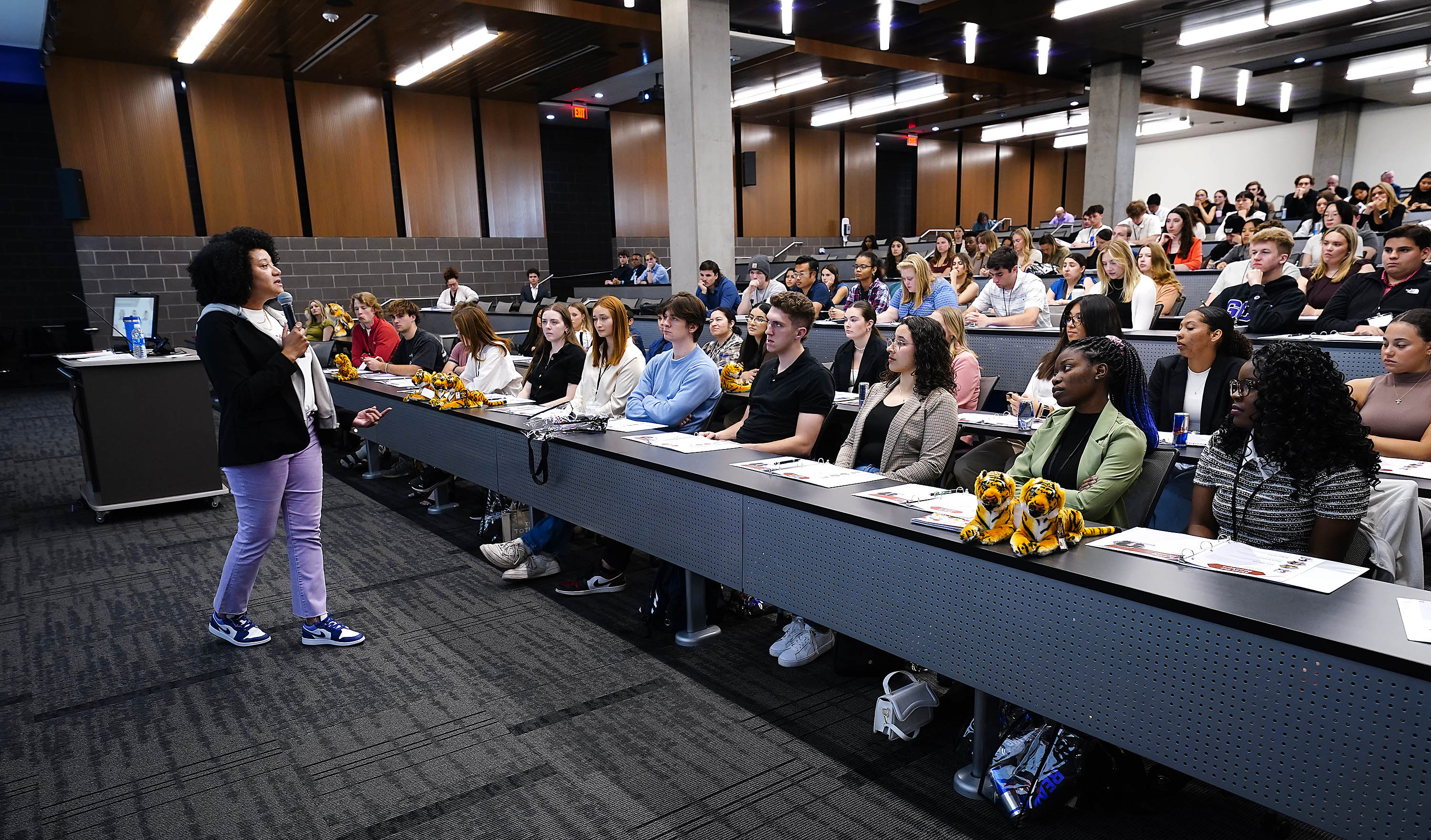
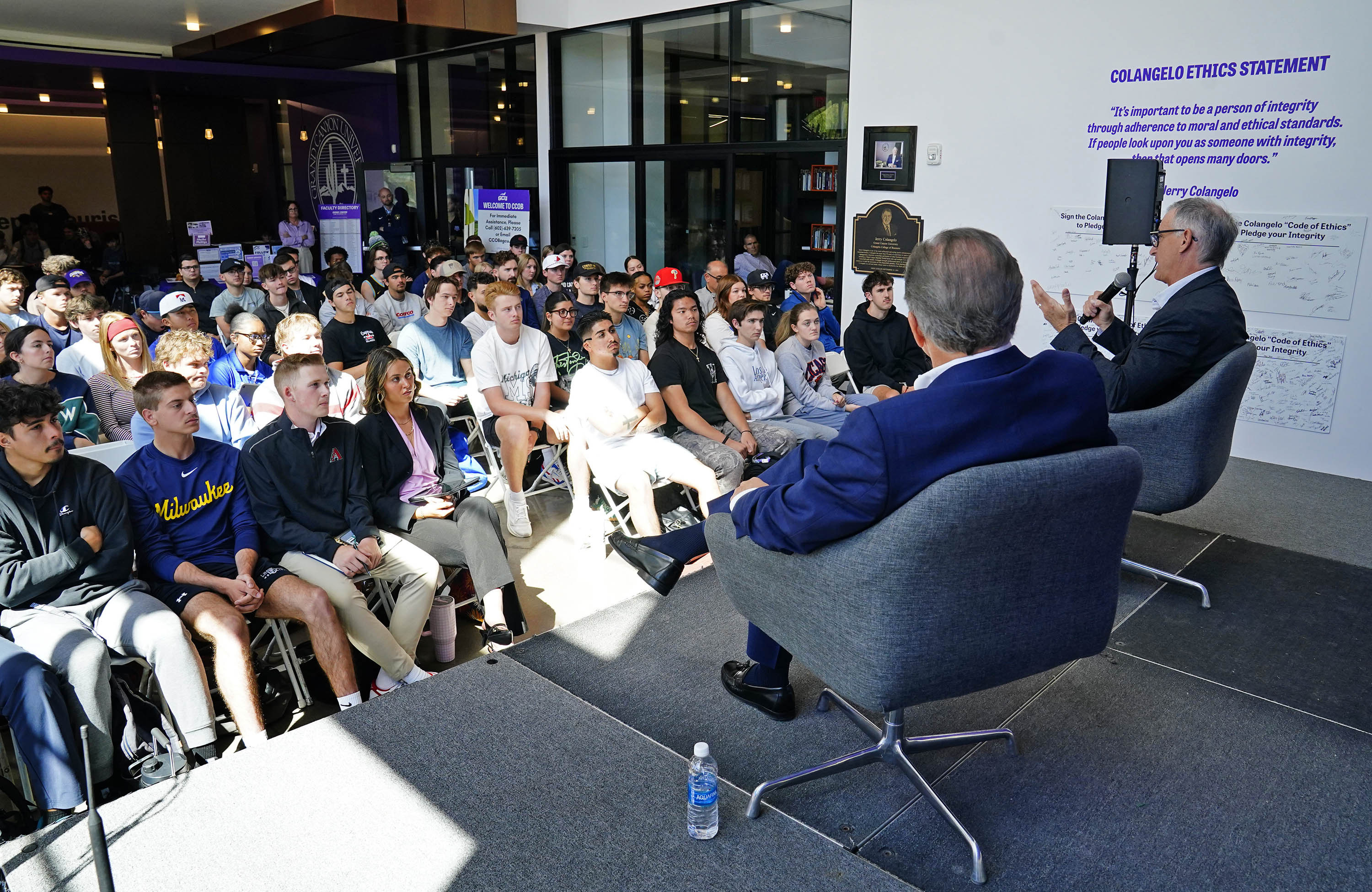
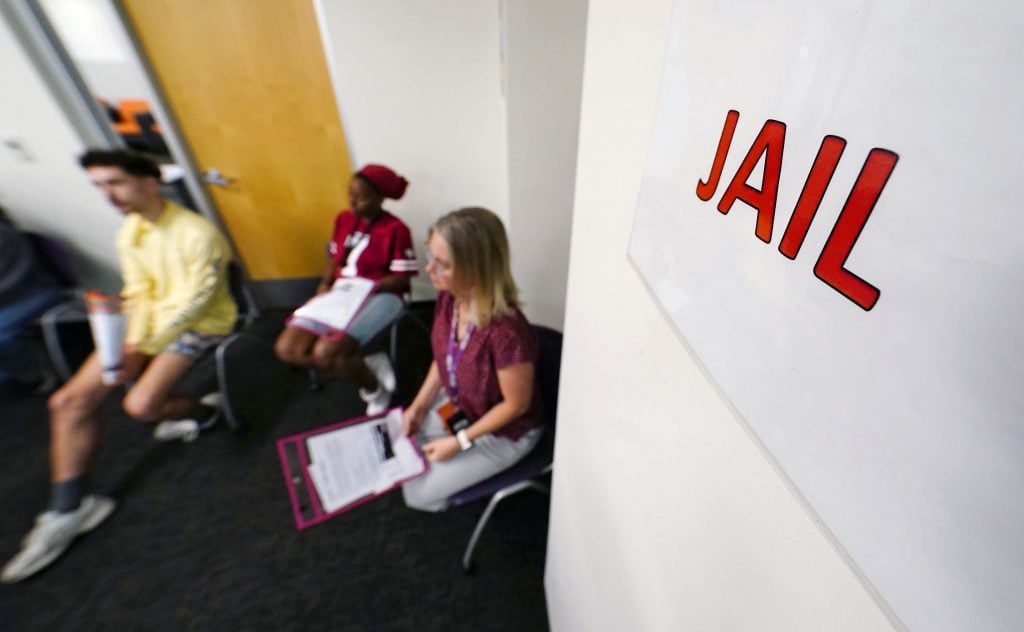
The inmate profile and $250 issued to students was fictional, but the experience of what it’s like to get out of prison became very real during a reentry simulation on Tuesday at Grand Canyon University. The event was led by staff of New Freedom and several former inmates.
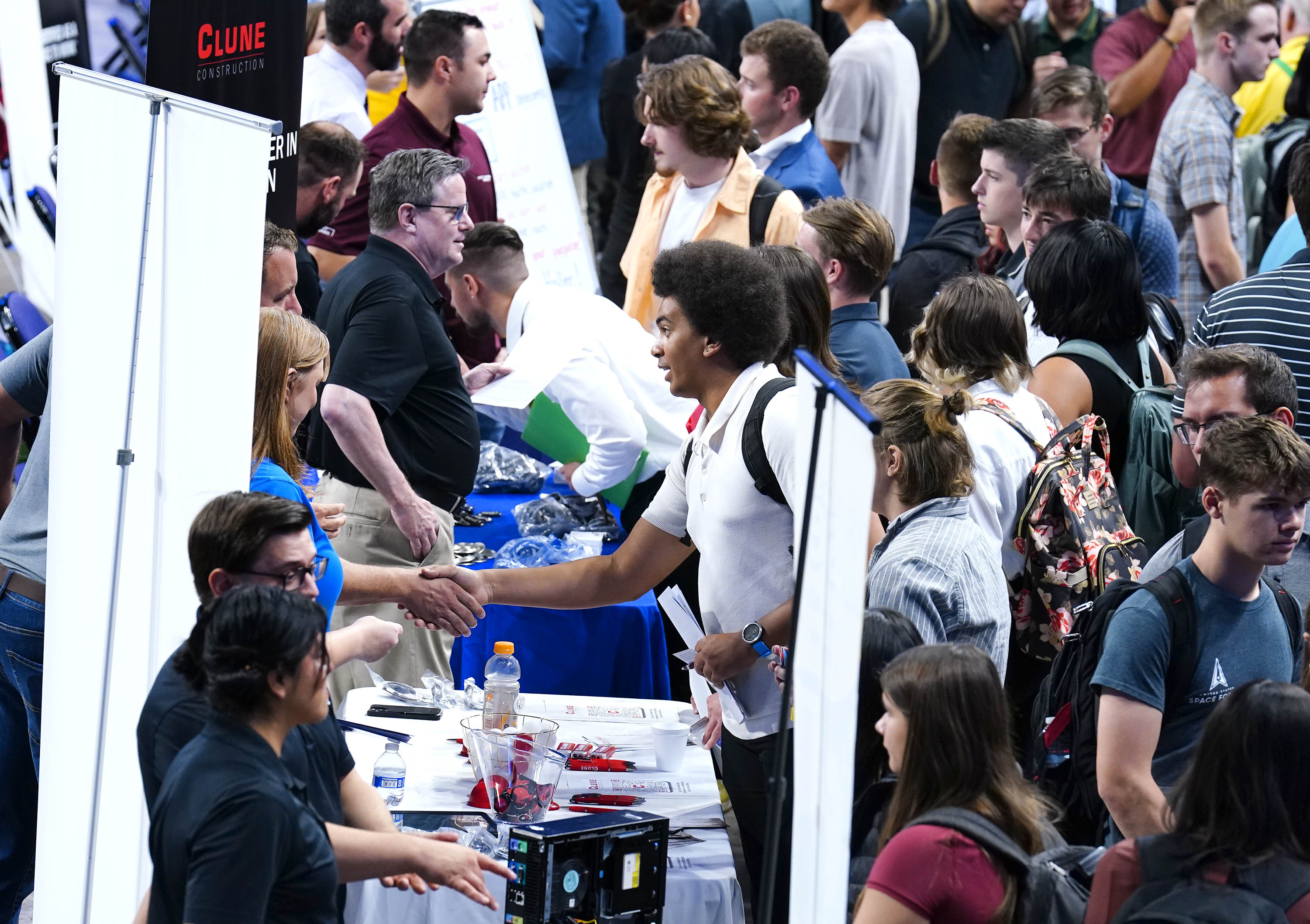
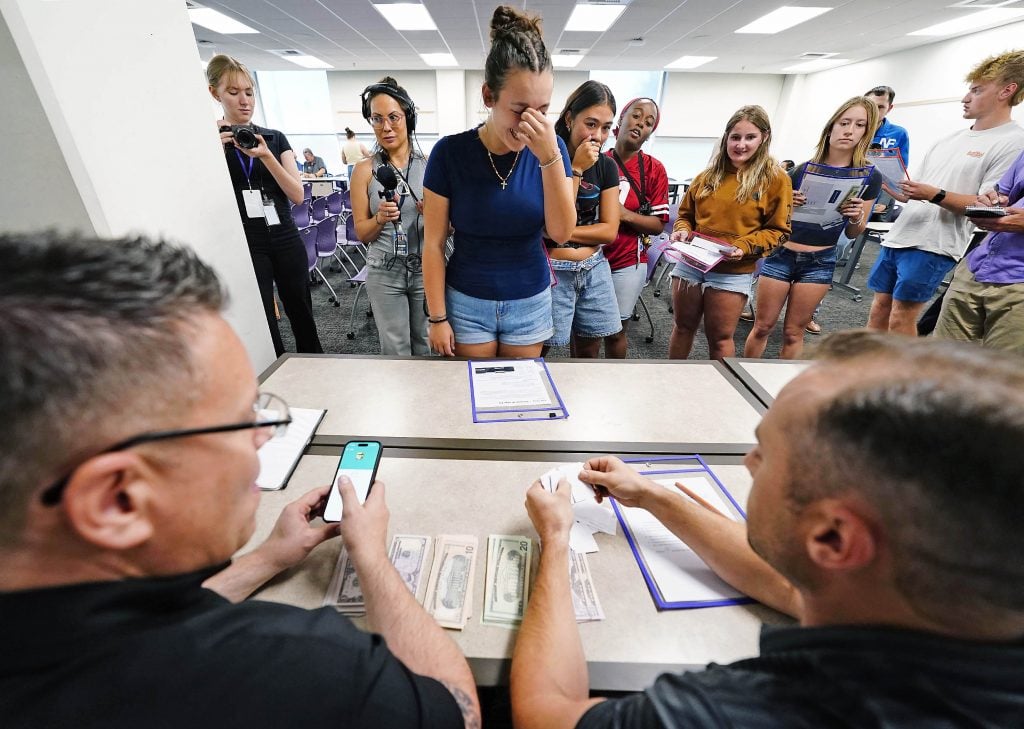
The staff manned tables representing government agencies, treatment centers, even places to drop a urinalysis for a parole officer or pawn items for money. They could be kind and compassionate – or rigid and combative. It’s the luck of the draw once you are out of prison and facing the world.
“In a few minutes, you are not going to like them,” said George Nolan, who served 17 years in prison and has been through the challenging process of free-world reentry a few times.
He helped bring the simulation to campus as both a GCU undergraduate student – he returned to school after getting out of prison in April 2024 – and as a marketing and outreach director at New Freedom, a Phoenix residential center for former inmates.
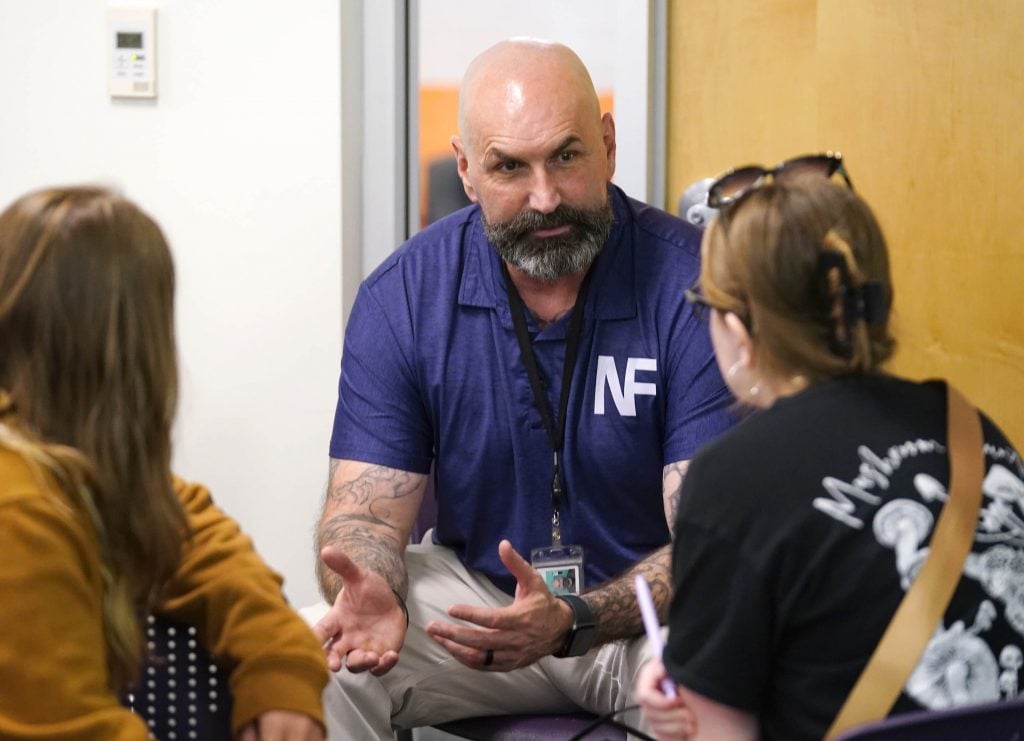
“For the men and women who come out of incarceration, we give them 90 days of programming to help them reenter more successfully,” said Katherine Nisbet, chief clinical officer at New Freedom, who spoke about its treatment, job training and housing. “About 95% of our graduates have not returned to custody after three years.”
But for many without those services, the experience may be like the simulation. Just ask freshman Emma Price.
She took the fictional role of Kendrick, a 45-year-old just out of prison who had mental health and substance abuse issues after a divorce and wasn’t paying child support.

Price first had to buy bus transportation to visit agencies vital to survive the coming month. It took forever. She waited in line until the actor at the transportation station said, “Sorry, our equipment is a little antiquated and outdated and takes a while.”
She took the bus over to the church. They did give her a bit of food but not without a lecture about taking care of kids properly.
Then it was off to treatment, a necessity. “Can I see your ID?” they asked. She gave them the offender ID. “No, we need a state-issued ID. Go get one and come back next week.”
So she had to get a state-issued ID, already using her third bus pass. It was week two in the simulation before she got that and could return to therapy. But the appointment had been canceled, and by week three, she was late for the appointment and charged for the visit, although she couldn’t be seen anyway. Her money dwindling fast, they reported to her parole officer that she hadn’t yet completed a urine test.
She/Kendrick was taken back to jail, like many in the group facing these hurdles.
“It’s been stressful,” Price said. “It’s easier in jail.”
A real-world friend who heard about the simulation in her psychology class, Brooklyn Earle, was also cooling her heels back in jail for breaking her probation and tried to trade her bus passes for bail money.
“This is really hard. What comes first, the chicken or the egg?” Earle asked. “They need something, but they need to get something else first. It’s an endless cycle of trying to get something, and you can’t until you end up without hope.”
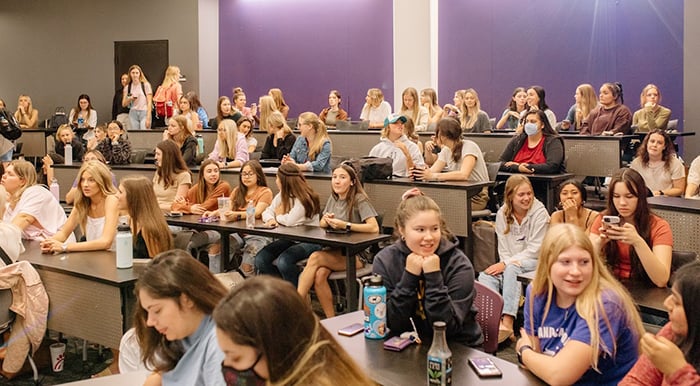
That was the value of the simulation for 20 students, some of whom are studying psychology, others behavioral health fields or justice studies.
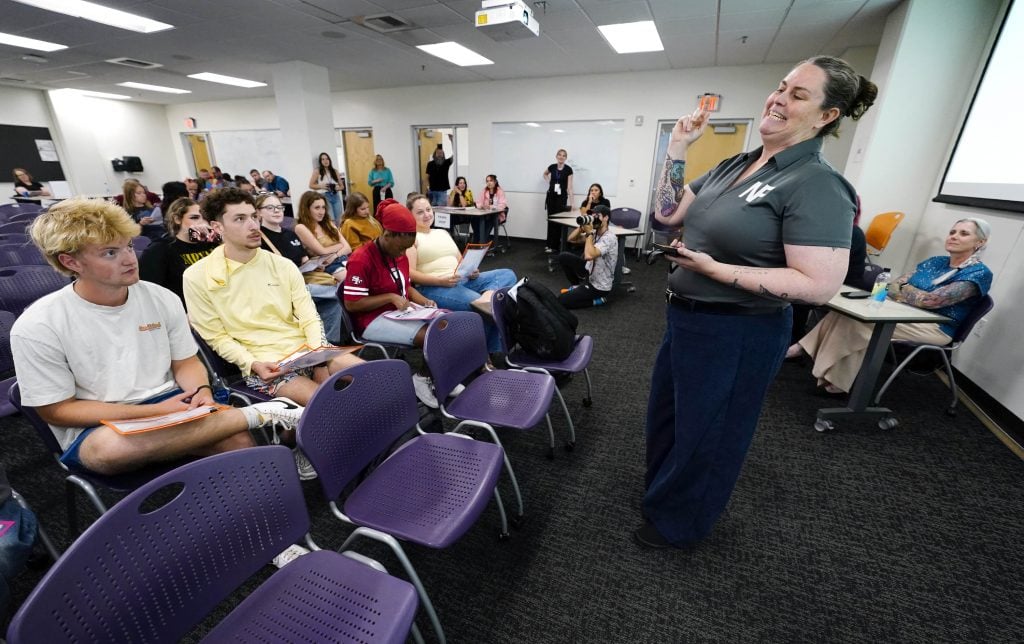
“There’s a lot of stigma that’s related to people who have been incarcerated. And people have expectations when they are released that is difficult to achieve based on the resources and barriers that are in place,” said Dr. Kathleen Downey, assistant dean of behavioral health in the College of Humanities and Social Sciences. “We want our students to recognize those barriers and what they can do in terms of policy or volunteering or other ways they can have an impact.”
Nolan was right. Not everyone was nice in those offices, and a third of released inmates ended up back in prison.
Nolan, who received a grant from SAFE Project’s Collegiate Recovery Leadership Academy to lead college presentations and whose story of renewal is shared in the upcoming April issue of GCU Magazine, brought along a man he met in prison.
Josh Johnson said the exercise is valid. He’s been in and out of prison five times and was just released five days ago. The pressure and stress is overwhelming, he said.
“You have plans, but then you get out and those plans aren’t easy to execute, so you get frustrated and go back to what you know,” he said. “This time I’m focusing not on plans but on character.”
So when those curveballs come his way, he can respond with skills built on character. As such, he was already offered a job on Tuesday.
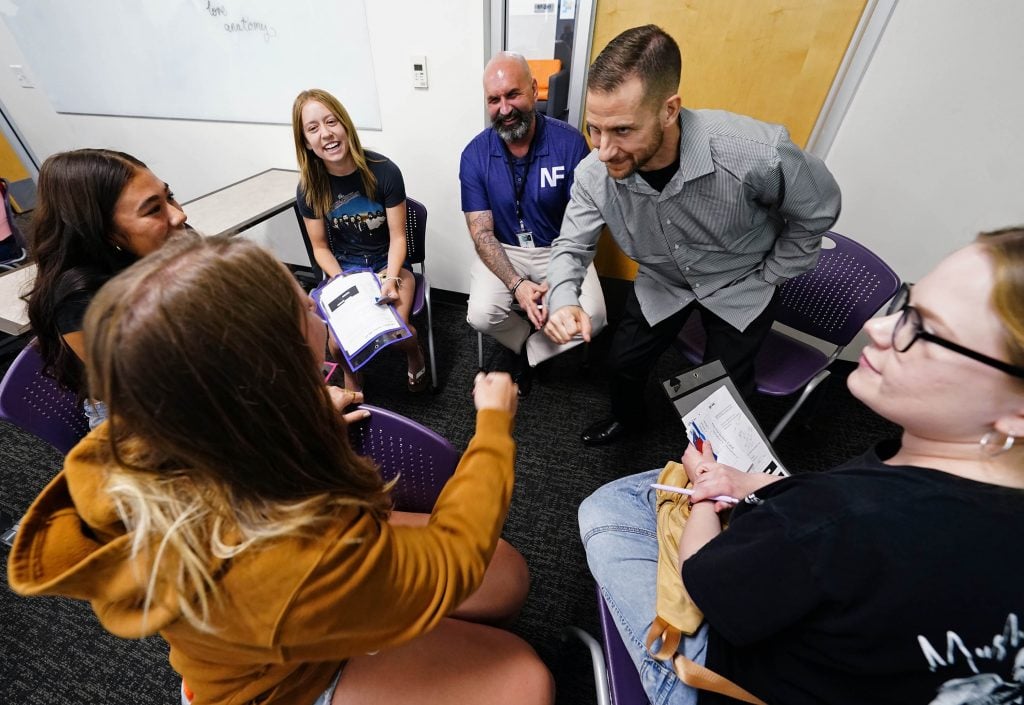
The stigma, he said, is on the inside, even though it hurts when he pulls out his ID, and on the bottom it says in bright red, “Released Offender.”
He told students it was important “to see the human element” in the system and realize that thin line from a bus pass to hunger.
“These are the real struggles that people are being released into the community face every day,” he said.
A forensic psychology major told Johnson that she realized what they had to go through, and it hit her hard. She started to cry. “How did you do it?”
That empathy is what the organizers like to see.
“You are in the right space,” Nisbet told the student. “What you are experiencing now is so much of what we experience with the people that we help. Fortunately, there are a lot of compassionate people, and part of this exercise is for you to flex that compassion, to understand that this is not an easy process.
“We go pick them up at the gate, and we welcome them home. We welcome them to a new life because I want them to be a part of a community, because individuals who are incarcerated aren’t living their true life. That’s a very unique experience when you work with somebody that is trying to gain back their identity and be able to walk with them through that process. It’s life-changing.”
Grand Canyon University senior writer Mike Kilen can be reached at [email protected]
***
Related content:
GCU News: GCU students put their passion into politics at statehouse
GCU News: Police negotiator quells crisis with grad student's counseling wisdom