
EDITOR'S NOTE: This story was originally published in the February issue of GCU Magazine, available in the purple bins across campus or digitally.
It’s a decent job, especially for parents, and it’s often available.
Paraprofessionals – teacher’s aides who work hand-in-hand with licensed classroom teachers – and school counselors grew by 25% over a decade, from 2012-2022, outpacing teacher growth, according to a study published in 2024 by the National Council on Teacher Quality.
Pascual LeDoux Academy Principal Sara Snyder-Poole said most of her teacher’s aides are Latina moms. “We are in a tougher neighborhood in southwest Denver, and we have 90% on free and reduced lunch every year,” she said.
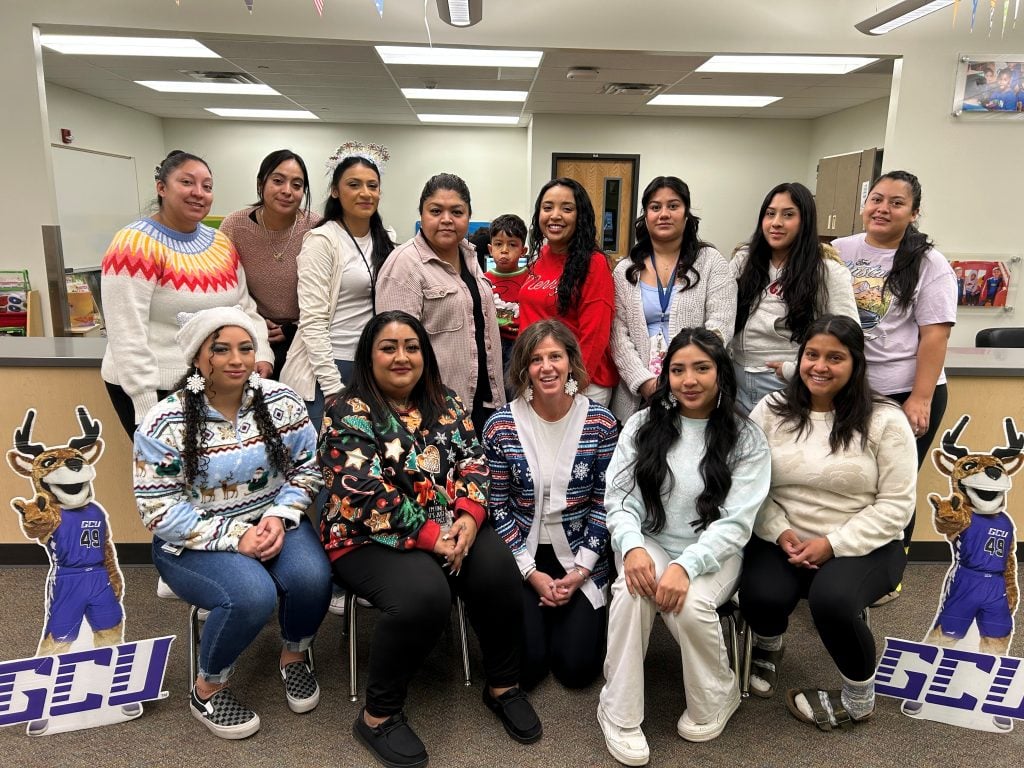
She also said her “paras” are hard-working women with “wonderful hearts.” When she asks them about their goals, they often say: “Someday, I hope to be a teacher.”
So when she heard about Grand Canyon University, Synder-Poole invited a Denver-area representative to the school.
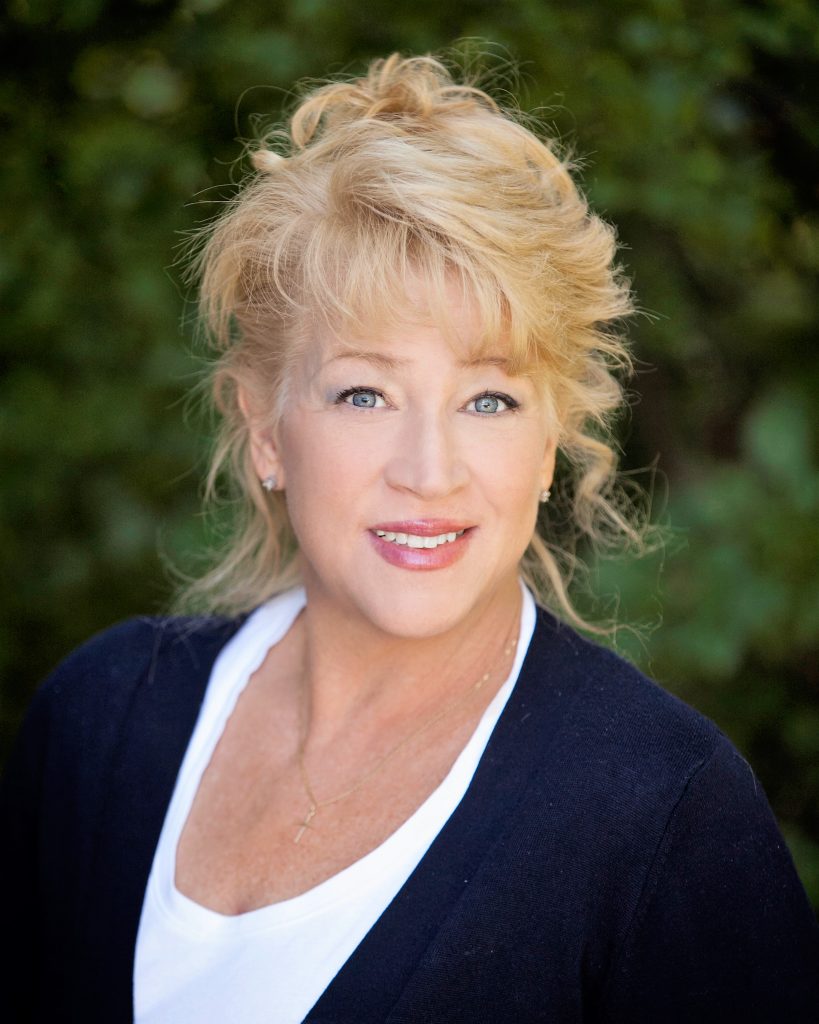
Jean Manning-Clark, university development counselor, told the paraprofessionals they should come to GCU’s campus in Phoenix and learn how they could become teachers. She booked 15 on a flight last December.
“Many of them are single moms and have busy lives, but just to have somebody say, ‘You can do this,’ makes a difference,” Manning-Clark said.
They were impressed by the campus.
“You could see the connection with students, and everybody is happy to be there,” said Valeria Zarate, a paraprofessional at the academy.
But she wasn’t sure if she had the time to attend college or could afford it.
Then one of the veteran paras signed up.
Guadalupe Martinez has four children, ages 22, 21, 14 and 10, and a 2-year-old granddaughter. She is in her 12th year as a paraprofessional and hadn’t been a student for 25 years.
Martinez said she learned she could earn her degree online while caring for her family and joined Diana Cardona Garcia in enrolling in January.
The others, including Zarate, saw that they could work and study and raise a family. A couple of months later, 13 had enrolled and are studying toward bachelor’s degrees to become teachers.
More than a quarter of the staff at the school are now GCU students who are pursing their degrees online.
They are part of the College of Education’s National Center for Teacher Preparation scholarship and cohort model that gives paraprofessionals the opportunity to get hands-on learning experiences in school while learning online.
Snyder-Poole was pleasantly surprised how many enrolled.
“It is great for culture. I don’t want anyone to feel stuck. I believe in growing people. I believe in giving people a challenge. I love that’s what they are doing. It makes my heart happy.”
Now she hears them talking about assignments and buzzing about teaching methods.
“It builds camaraderie,” she said.
Martinez said the other paras asked how hard it was, and she didn’t lie, saying writing discussion posts and essays, when your second language is English, can be difficult at first.
“Even learning how to write an essay when I hadn’t been in school for 25 years. What does this have to do with teaching?” she asked herself, then realized, “It has everything to do with communicating with parents.”
I don't want anyone to feel stuck. I believe in growing people. I believe in giving people a challenge. I love that's what they are doing. It makes my heart happy.
Sara Snyder-Poole, principal of Pascual LeDoux Academy, on her paraprofessional staff pursuing their bachelor's degrees
But the others saw the trailblazers of their group make it work.
“It was really important for Diana and me to have that support with one another and, eventually, we became that support for the rest of them,” Zarate said.
“We bounce ideas off each other. There are some of us that have the same breaks or lunch, so we sit together and talk about ideas or talk about our work. We even look for each other in the classrooms. ‘Hey, can you help me real quick with this question?’”
Zarate would run across the street to Martinez’s house and study together, or they would squeeze in study time whenever possible at her children’s sports practices or during school breaks.
“I realized time is money. If I already ate my breakfast with Head Start kids, lunchtime is my homework time,” she said. “Whatever time I can use to do homework, I do homework. Everybody laughs at me. ‘Valeria is never around.’ No, time is money.”
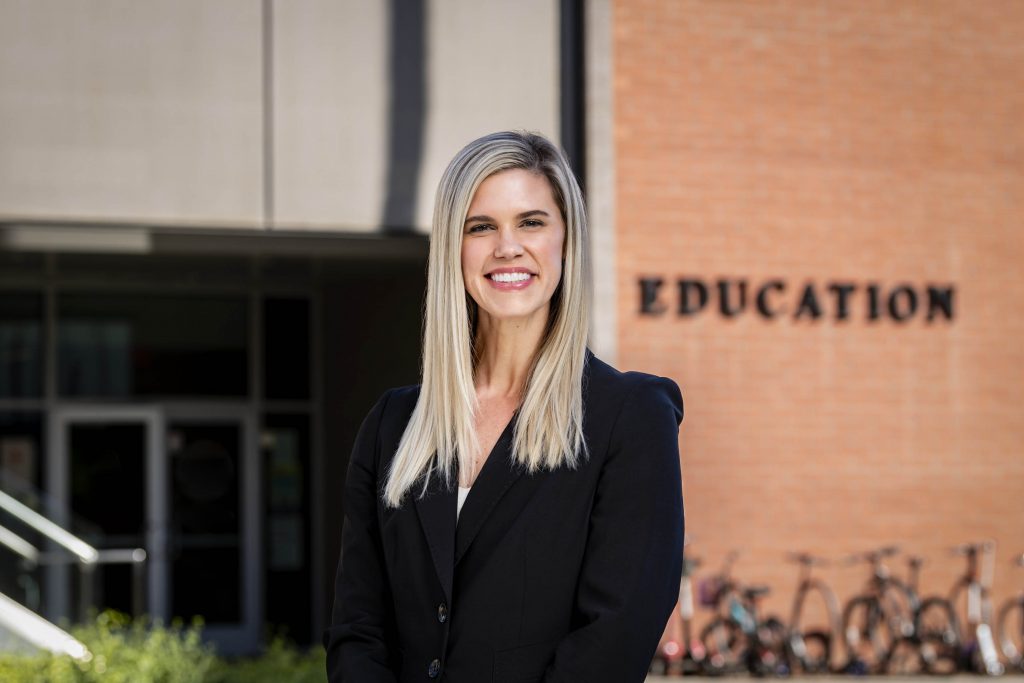
It’s a win-win, earning a wage while working toward a degree, said GCU College of Education Dean Dr. Meredith Critchfield.
“Our National Center for Teacher Preparation scholarship and cohort model gives paraprofessionals the opportunity to get hands-on learning experiences in the school in which they’re employed while also reducing financial barriers and supporting student persistence by cohorting paraprofessionals together with peers.”
Zarate had enrolled in community college 10 years ago but dropped out when she became pregnant. Now she feels like her future is brighter, “and I feel amazing,” she said of working toward a degree alongside her peers.
“We are like a team. It’s like a support group, really. If any of us are struggling … we have all learned to help each other and push each other. There are times when a course feels stressful and then we are like, ‘You got this. Don’t put yourself down. You can do this.’”
There is more help from GCU, too.
“Right away it felt like a supportive situation for them. I think that is why so many start,” Snyder-Poole said. “Jean comes to our school and hangs out in the lounge and will meet with people on breaks or lunches just to help with homework questions. It’s different than what others do for an online program.”
Manning-Clark is inspired by the tight-knit community of women.
“It is going to make an amazing difference in their lives and their families,” she said. “It gives them a whole new bright future.”
The principal who helped them fulfill their dreams – or perhaps hire them to fill a need for new teachers at the school – said she can see them becoming fantastic teachers, because they aren’t just learning from a book but trying out the methods in the classroom.
The end result will be more teachers helping more children learn.
“What I like about teaching is just seeing the kids’ faces,” Martinez said. “The lightbulb switches on when they are able to learn something new or are able to do something they weren’t able to do at the beginning of the year.
“They are really proud of themselves, having that proud moment when they say, ‘I can do it.’”
***
Related content:
GCU News: A paraprofessional finds understanding among differences
GCU News: Dedicated legion of moms works to help the vulnerable and earn a degree
GCU News: The world was not handed to them, but at GCU, they raised a hand to teach