Photos by Ralph Freso
The text from Dr. Cole Braun to Dr. Ryan Bredow was surprising, considering they were workmates, not buddies.
“Final Four in Indy. I’ve got two tickets for the weekend. You interested?”
Braun, the CEO of WeTeachTruth Lutheran Education in Wisconsin, had to see his beloved Wisconsin Badgers in 2015. He knew that Bredow, then his director of admissions and marketing, was a “basketball junkie,” though he didn’t know him personally all that well to spend an entire weekend together.
Bredow said, "Yes, why not?"
The two hit it off, and at one point during the trip, at a fan fest event, they wondered if they should continue with the celebration. They simultaneously said, “Why wouldn’t we?”
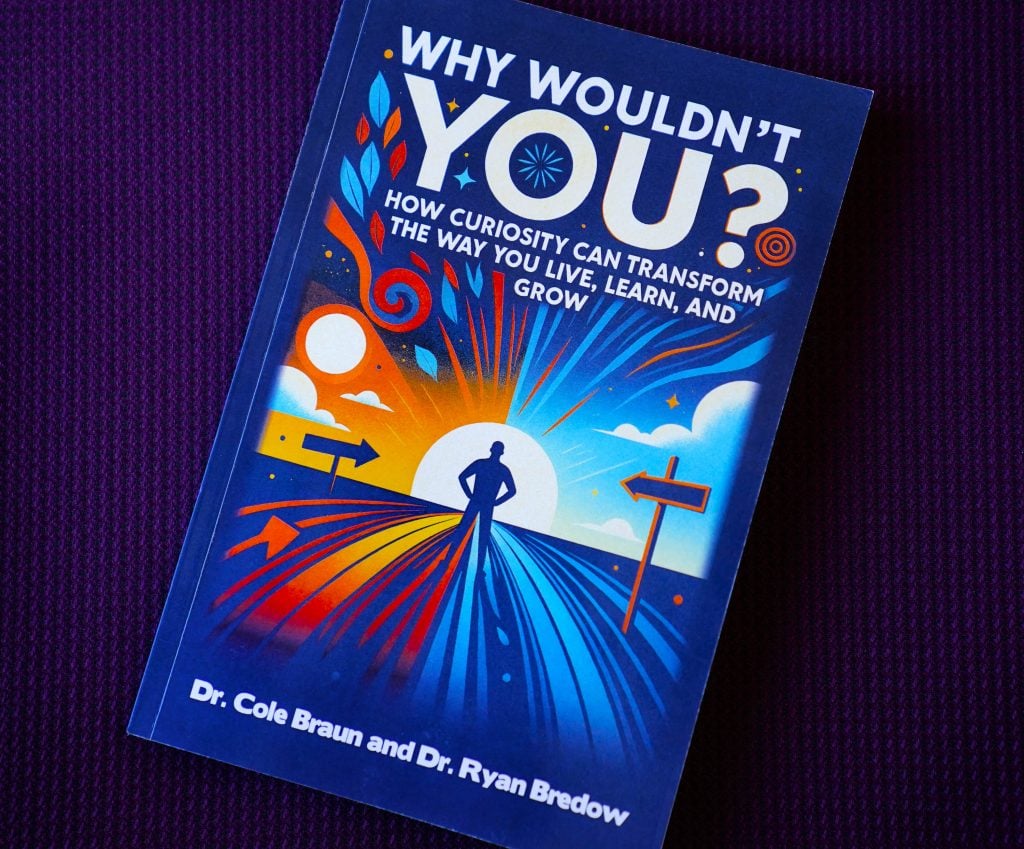
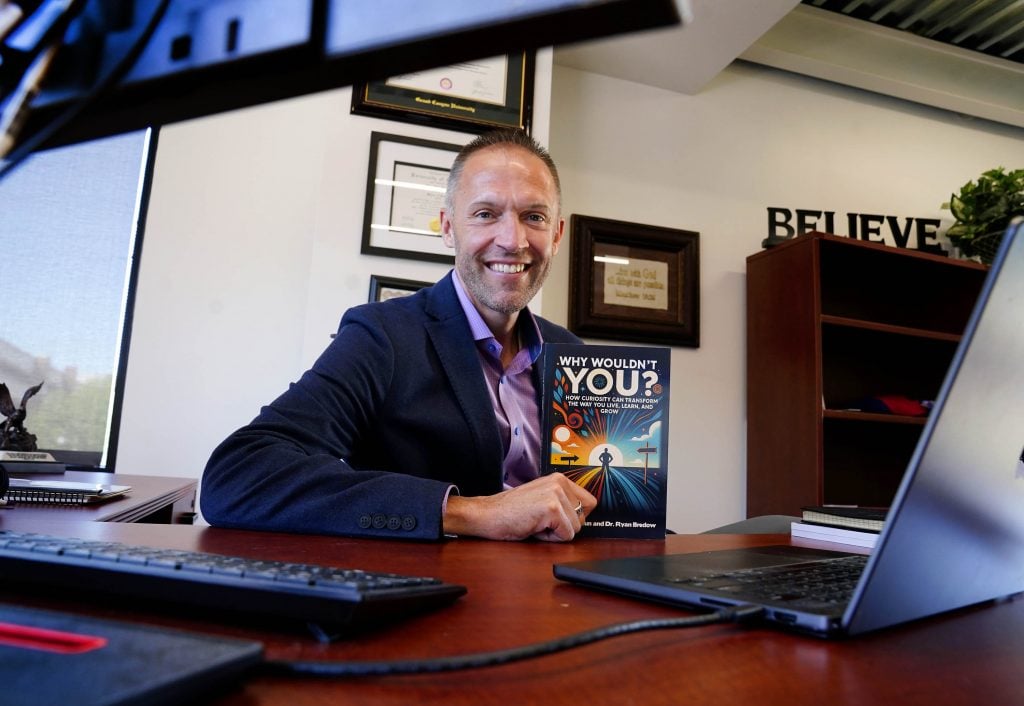
It became a life mantra. And now it’s a book they co-authored, “Why Wouldn’t You? How Curiosity Can Transform the Way You Live, Learn, and Grow.”
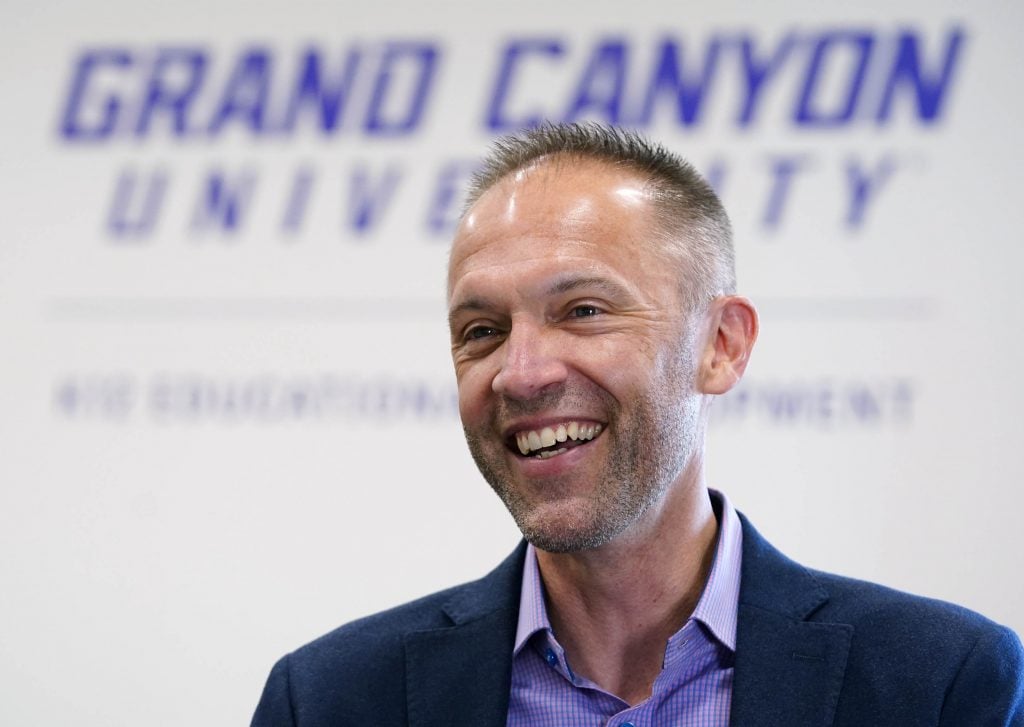
Bredow, today the vice president of K12 Educational Development at Grand Canyon University, said the trip and friendship inspired a new way of thinking, one that could be helpful to others.
“It doesn’t mean you say yes to everything, it doesn’t mean you throw caution to the wind, but are we willing to ask the question?” Bredow said.
He began to ask it in his own life, as did Braun, who ran ultratriathlons, some of them grueling 428-mile events. Bredow had never thought of even running a 26-mile marathon. It seemed outrageously long.
But why wouldn’t he?
He trained hard, and as he crossed the finish line to be met by his wife and three children, they asked for his thoughts.
“And my immediate response was, ‘Well, it was only 26 miles.’ And it hit me like a ton bricks. That was my reaction in the moment, and a really powerful lesson was ingrained in my mindset,” he said. “My mindset had changed.”
A run he thought completely insurmountable had become just a series of steps. “So when you ask why I wrote it, if I can encourage somebody to take that next step, then praise God.”
So much of life, especially as one ages, is about risk aversion as we carry the scars of past mistakes or tough experiences. So we stay in what Bredow calls the “safe middle.”
“It feels often that days are prescribed, and with all the information and data we ever need, it can feel very determined,” he said. “But it’s in a human’s heart to be curious and wonder what’s out there to see what the Lord has in store. So this is an invitation to tap into that. We hope it reads as a challenge and invitation.”
In the book, available on Amazon, a key question to address is the difference between being bold or reckless.
A clearly defined mission is the difference, Bredow said. For example, if your child was in harm’s way, there is clarity in the mission – to do what it takes to save them, regardless of the risk. Why wouldn’t you?
“When people ask that question in the wrong sense, it’s driven out of a lack of purpose. You’re just flippantly responding to the wind. Find out what that purpose is. If I don’t have that, then it’s just wandering.”
Though he’s a former English teacher and avid reader, he knew he still had hurdles to overcome in writing a book, which started as inspirations they had both shared at conferences – leadership skills on urging organizations to find a better way of doing things or the value of making connections.
He went to writing retreats. Bredow and Braun shared chapters for two years, which alternate between the two in the book, and only after taking the sum of the stories realized, they had one thing in common – curiosity.
“The foundation of all these mindsets, thoughts and ideas was revealed to us, a willingness to pause and consider, and just ask the question,” he said.
Bredow asked that question when coming to GCU in 2018, though he was nervous about the outcome. And he was nervous when asked to present his vision to leadership about how to help spread Christian education at both GCU and throughout schools in the country through K12 Educational Development.
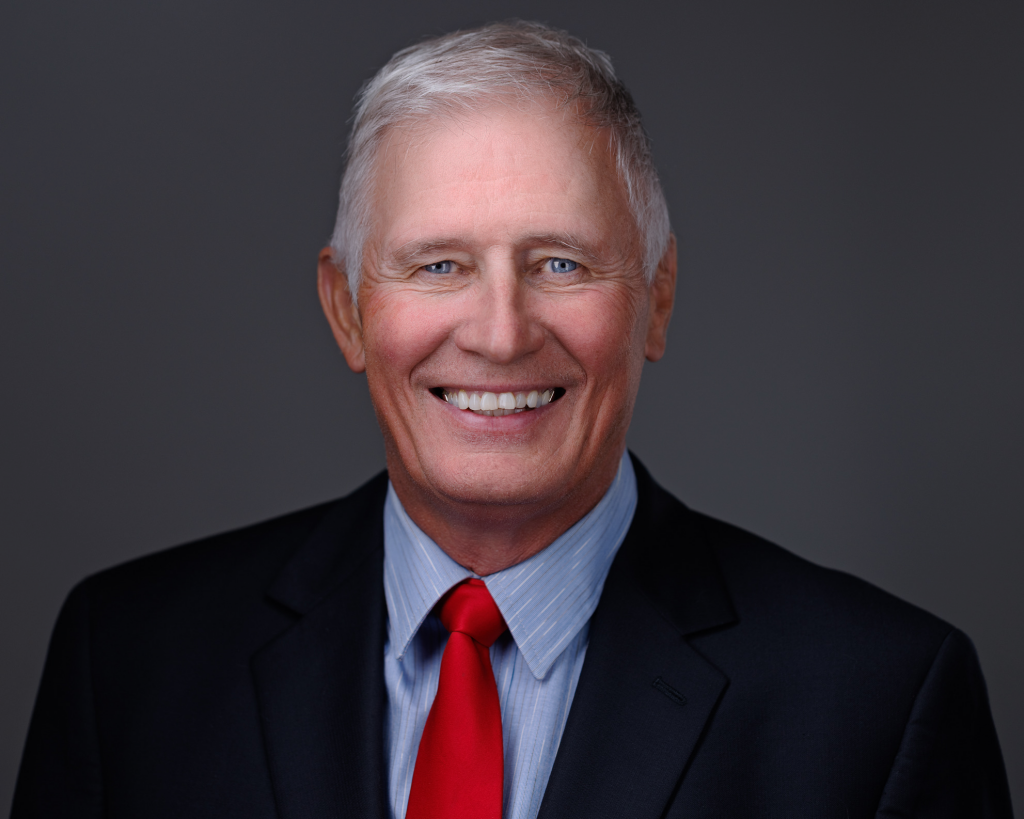
“It is so much of the fabric here at GCU, the willingness to ask the bold questions,” said Bredow, who earned his doctorate in educational leadership at GCU and his bachelor’s degree at Concordia University in Nebraska, where GCU President Brian Mueller once was a student and later a coach.
Since its publication at the end of January, Bredow said he has been encouraged by dozens of comments on Amazon reviews, readers sharing how it helped them change their mindset.
But there was one review that topped them all.
His youngest son, fourth grader Bryce, was still up past bedtime one night, so he ventured into his room to see him, with a headlamp on, reading “Why Wouldn’t You?”
Bryce told him his favorite chapter was one his father wrote on him climbing a tall tree in the neighborhood. His instinct was to yell at Bryce to get down, it wasn’t safe. But then another child looking up to Bryce turned to Bredow and asked, “I wonder what he sees up there?”
Bredow wondered the same thing and let his son go on seeing – beyond any safe middle.
“Bryce wasn’t chasing danger. He wasn’t trying to impress anyone. He just wondered,” he wrote.
Later that night, Bryce came to his father’s room and handed him a note: “Dear Dad, Thank you for putting me in a chapter in your book. It made me cry. It was so wholesome and made me look at the world different.”
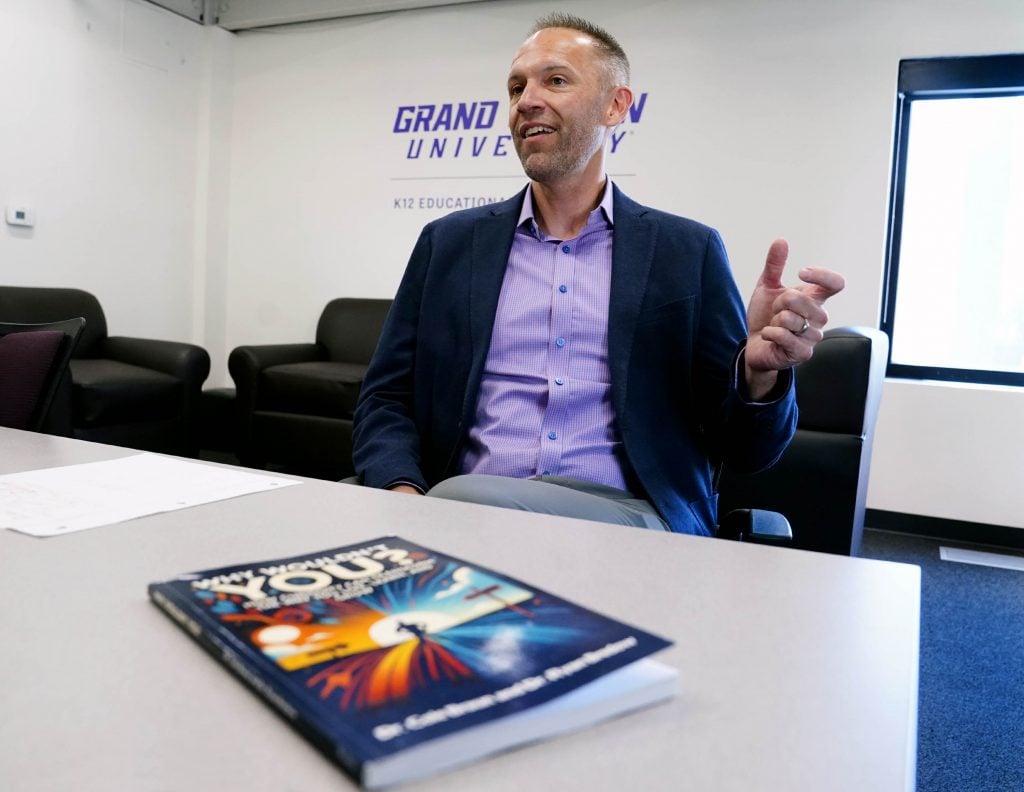
“I share that,” said Bredow in his office on campus, “because it was one of those moments where I realized that your story has impact, more than you might think.”
And, yes, the Final Four is coming up again in Indianapolis. Bredow and Braun have never been back to it together since that last magical 2015 weekend.
Of course they’re going.
Why wouldn’t they?
Grand Canyon University senior writer Mike Kilen can be reached at [email protected]