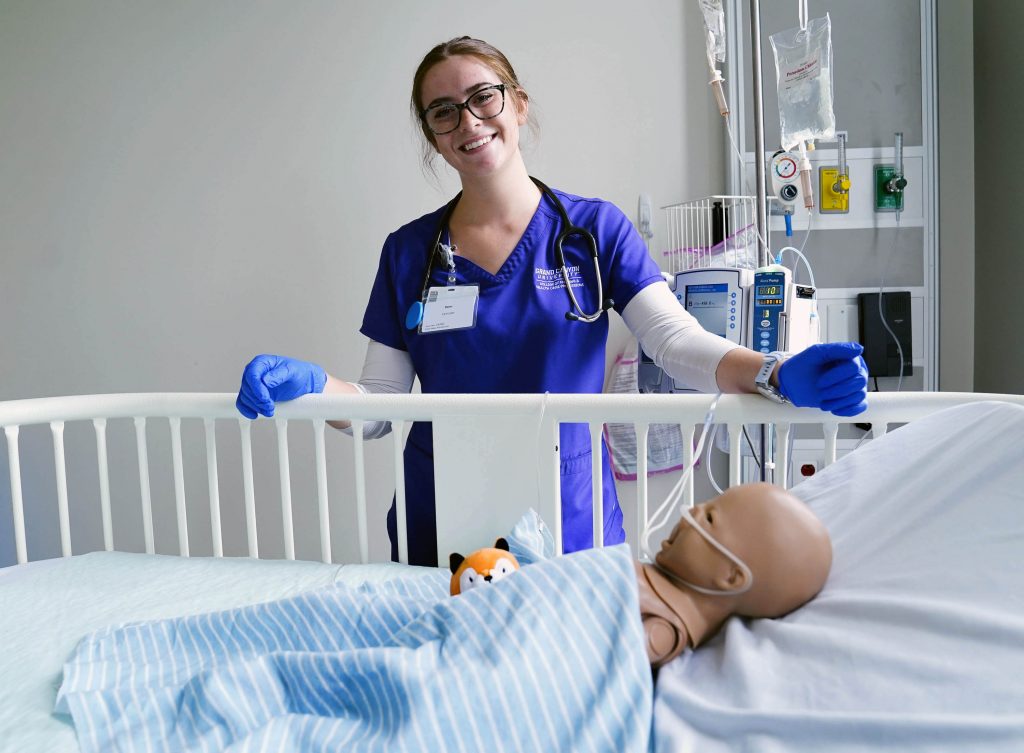
The four levels of clinical rotations that nursing students move through on their way to earning their bachelor's degree are integral to any nursing student's journey, including at Grand Canyon University.
Tristan Palmer, director of clinical services for the university's College of Nursing and Health Care Professions, says these hands-on experiences, alongside a licensed professional, are vital building blocks to creating well-rounded nurses. Students will go from level 1 students in their first semester of nursing school, when they're learning basic communication and other foundations, to rotating through specialties in level 3 and then their residencies at the end of that journey.
Said senior Jennah Baker, a level 4 bachelor's in nursing candidate, “I was a little terrified because I feel like level 1, you have your skills and your lecture, but you start clinicals pretty much right away. You can’t really do a lot. It’s a lot of (certified nursing assistant) skills. And (I) was able to find opportunities to spend time with patients who may not be super intimidating to a fresh nursing student.”
That’s just the beginning.
Area health care systems that partner with GCU, like HonorHealth, leverage nurses’ education to bring them onboard for a hospital or clinic experience.
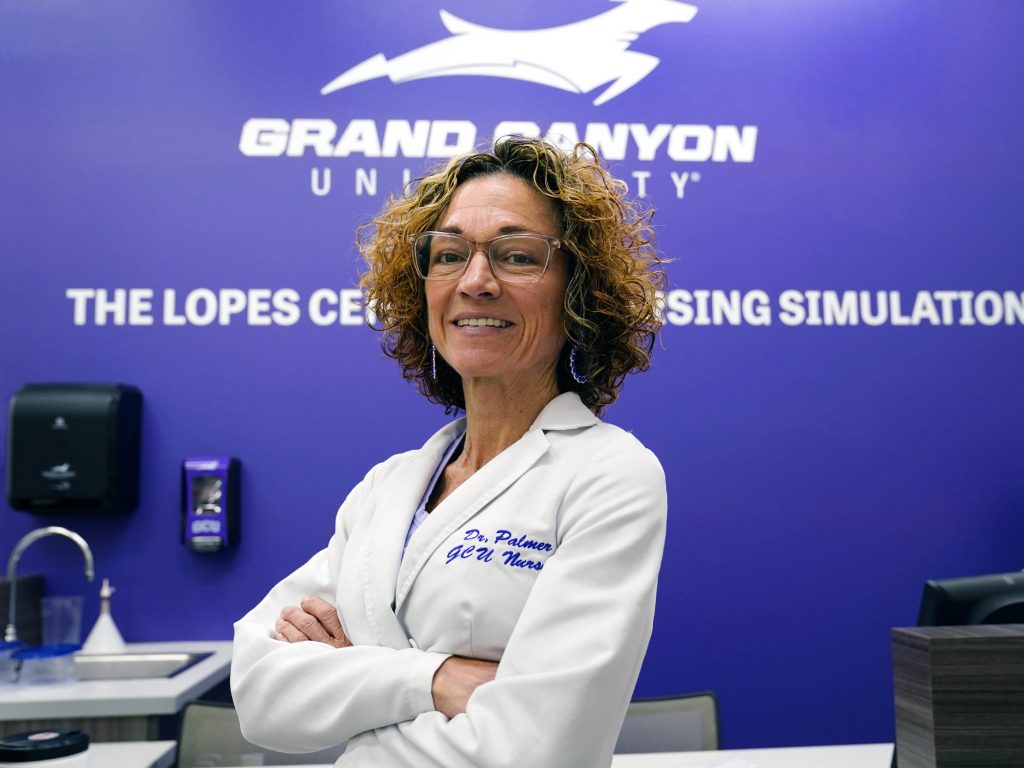
“So from GCU this year, we will have placed 368 nursing students,” said Jeni Summer, clinical workforce development director at the HonorHealth system. “They gain so much confidence being in the area, being with patients and next to advanced nurses as mentors. They gain so much confidence. They're very different than when they entered.”
The health care systems watch the nurses grow through the four levels of rotations.
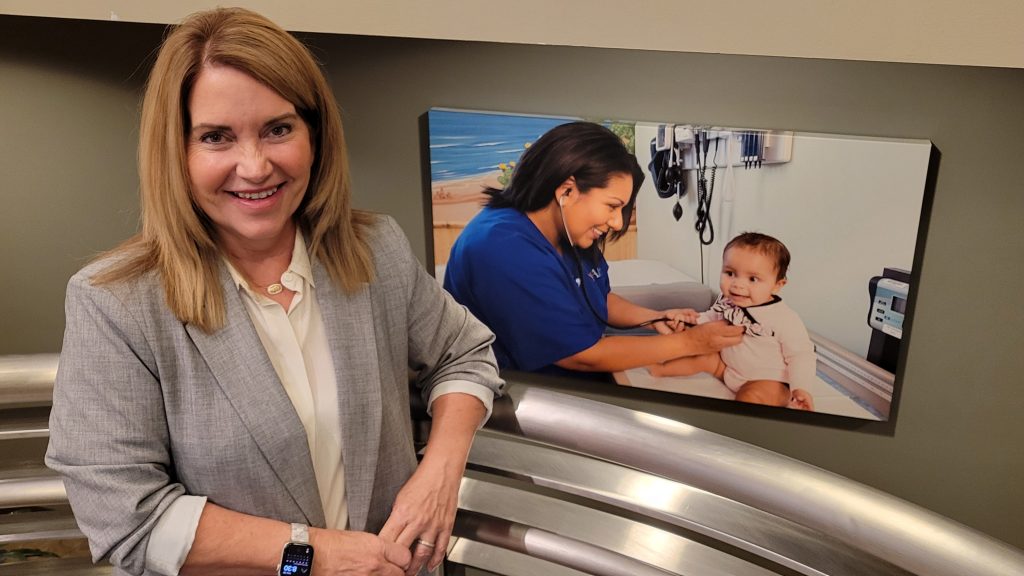
“Our clinical rotations with student nurses are very important to us because they are what provide the framework for when they are new nurses on the floor,” said Christie King, Dignity Health director of clinical education for Arizona and Nevada. “It gives them an idea of what to build on and what it's like to work with real people as patients.”
Each level immerses nursing students deeper into their chosen profession.
After learning the basics, "They learn how to work a 12-hour shift, which is definitely long for them,” Palmer said. “They are also learning more about the disease process. They are assessing, and they have that foundation, but they're also learning the skills in the lab and then taking those skills into clinical in a more complex patient care setting.”
Some things just can’t be learned in a classroom. Stepping up to that next level provides real experience for the students.
“You learn bedside manner,” said Baker. “It’s easy to get caught up in doing skills and making sure you’re getting all the skills done that you want, rather than realizing that that’s an actual person, and that’s a patient who needs your care rather than just you doing skills.”
In the final year of nursing school, students then are exposed to various facilities and health care providers. By level 3, they're rotating through pediatric care, critical care and obstetrics.
“So they kind of see how the world of nursing can branch off into these other areas,” Palmer said. “They're really ready for that by level 3. It would be areas that kind of push them academically and clinically because they're having to learn very specific patient-care settings, very specific communication skills.”
That helps students decide on their future.
Baker is heading for her specialty as a result of her level 3 rotation.
“I went in — I didn’t know what I wanted to do when I first started — and then I was like, ‘Oh, I’m never going to do (nursing involving) kids, I’m never going to do pediatrics,’” she said. “And now I think that might be what I’m leaning towards. Probably (medical-surgical nursing) right after graduation, to make sure (those) skills are solid.”
In her role for Dignity, King observes students as they mature in their roles.
“If they realize that they would like to work in surgery right off the bat and they have med-surg clinicals and all the other rotations, and they know that surgery is what's for them, then they can go right into the unit that they had a great experience in and that they know that they would prefer.”
The health care systems see the nursing students in the upper levels as serious assets to filling the nursing shortage.
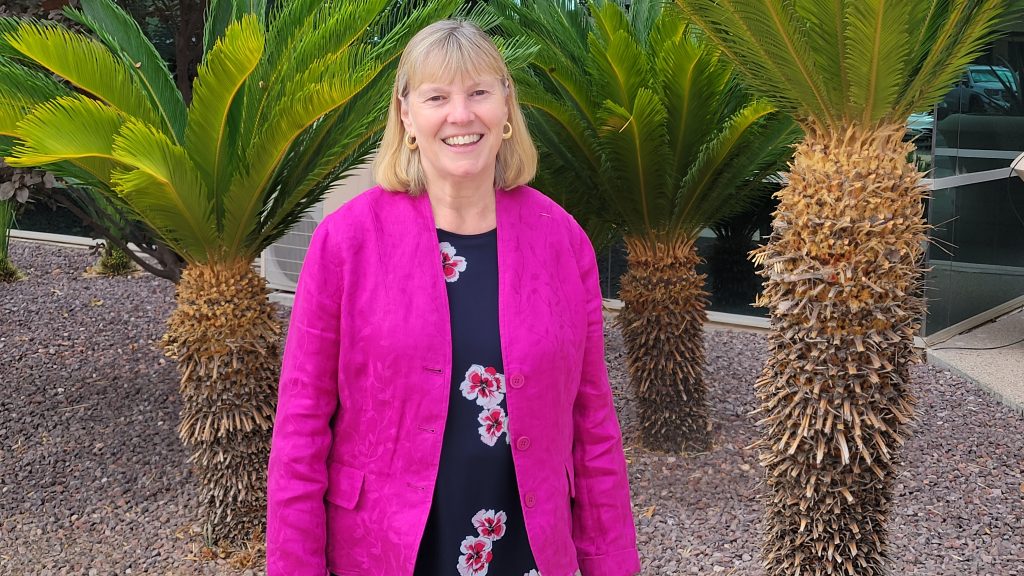
HonorHealth has programs where students can continue their education with tuition assistance or the professional-development program called Honor Nurse, said Debbie Goodwin, senior director for the HonorHealth Center of Clinical Excellence.
She said they can get incentives for completing different projects, and HonorHealth's foundation will provide scholarships for specialty certification or conference attendance.
"For our newer nurses, we work really hard to help them continue their development," she said.
GCU aims to give students the broadest exposure to where nurses are needed. They rotate among eight health care provider practice environments: hospital systems, behavioral health facilities, rehabilitation centers, homeless and nonprofit outreach, community and public health agencies, school and school district health programs, specialized education centers, and faith-based and charitable organizations.
By the time they get to Level 4, they’re doing their population-health rotation, and they also have their residency, a seven-week setting in a group rotation, or a nine-week setting with an individual nurse.
Palmer said GCU encourages those who qualify to apply for the one-to-one settings, allowing them to work the shift hours and days of the nurse mentor's week. It’s a nine-week program within a group setting.
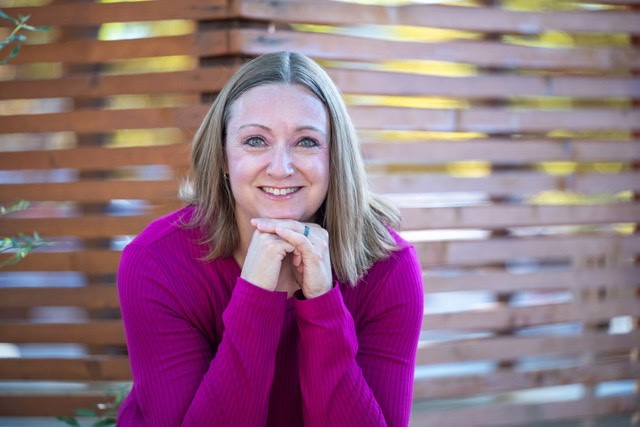
Baker already has experience in critical care, obstetrics, psychiatric nursing, pediatrics and acute care.
“I did my first semester ... at like an acute-care unit,” she said. “Last semester I had my psychiatric rotation and a medical-surgical rotation, and then this semester I’ve already done my (pediatrics) and (critical) care.”
For pediatrics, Baker was at the Austin Center for Exceptional Students.
“It was really cool,” she said. “And then I’m back at (Dignity) St. Joseph’s for my labor and delivery (rotation).”
GCU nursing students, like Baker, bring more than skills to their rotations.
“GCU is a faith-based organization and we are, too,” King said. “Our visions are probably similar, but definitely an alignment in some of those ways. We very much appreciate the collaboration with GCU and also many other universities, because all of our students are really important to us.”
Added Summer, through clinical rotations, “We foster our culture of giving back and helping the students continue their learning. You know, (our mentors) remember when they were nursing students as well. So that’s their way of giving back to our community, and they enjoy it.”
GCU senior writer Eric Jay Toll can be reached at [email protected].
***
Related content:
GCU News: Critical care instructor guides nursing students through life and death
GCU News: Nursing student turns compassion into a career path