Relaxed.
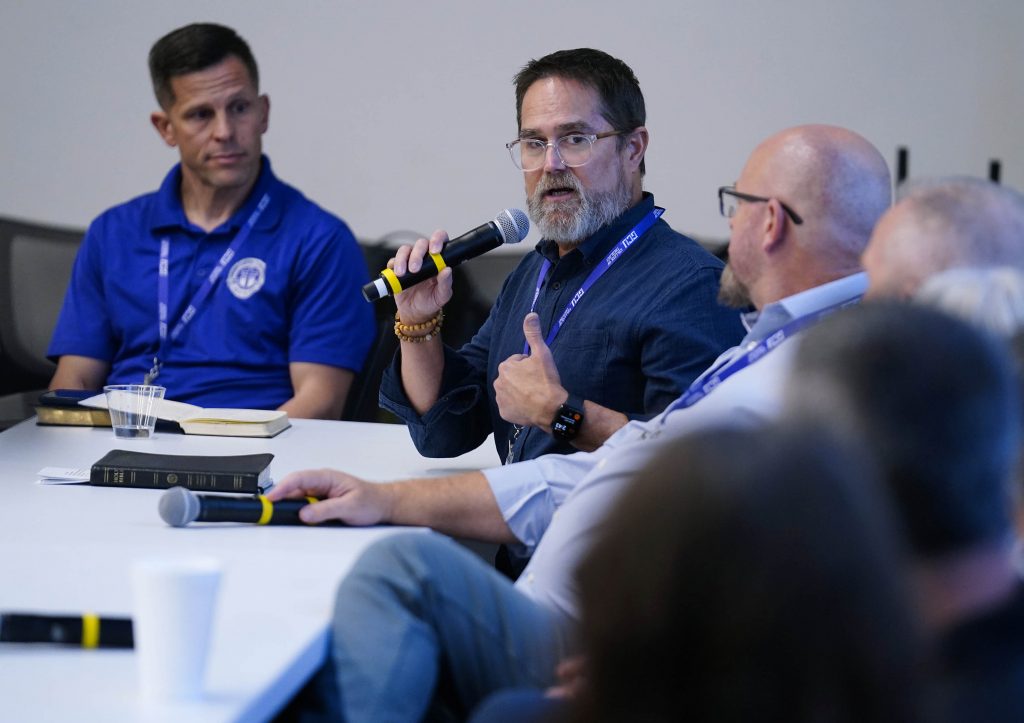
That was the word that the late philosopher Dallas Willard used to describe Jesus, and Dr. Ted Wueste stressed that theme Monday during the first Canyon Church Conference hosted by Grand Canyon Theological Seminary at Grand Canyon University.
Wueste, founder and director of the Spiritual Formation Society of Arizona, was the keynote speaker at the event, which brought together local ministry leaders with GCU professors who focused on the conference theme of spiritual formation.
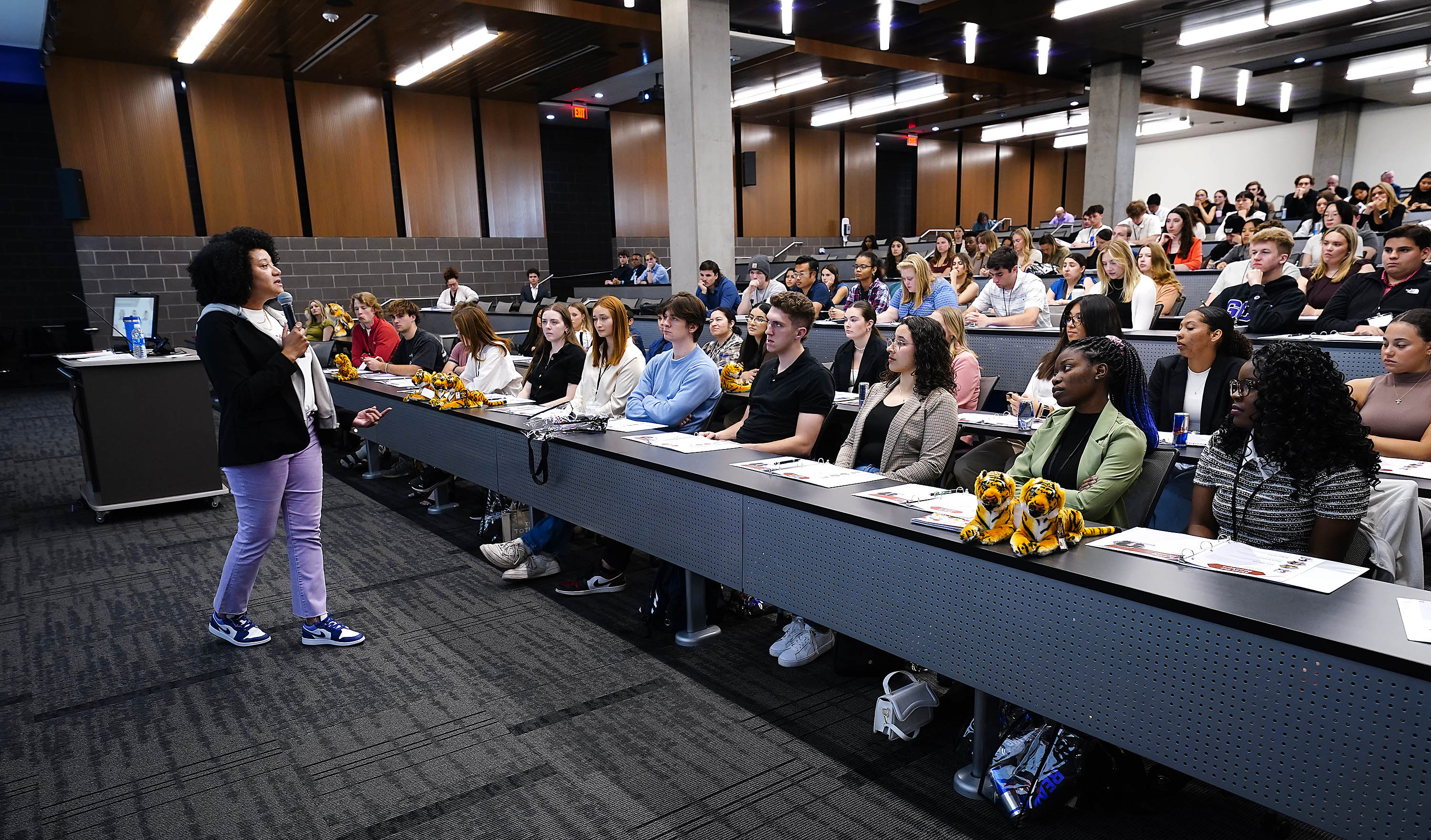
Wueste’s talk, “Jesus, Burnout and Grace,” resonated during the conference, which included two sets of four breakout sessions in which presenters and attendees shared personal experiences that reinforced the importance of following God’s trait of staying calm and measured, even during times of duress.
“There’s a busyness, a hurriedness, a lack of rest that people are just not finding in Christ,” GCU College of Theology Dean Dr. Jason Hiles said. “… People need something that they’re having trouble making time for.”
Wueste praised Jesus for his ability to remain patient and full of compassion and not become absorbed by the chaos of the world around Him.
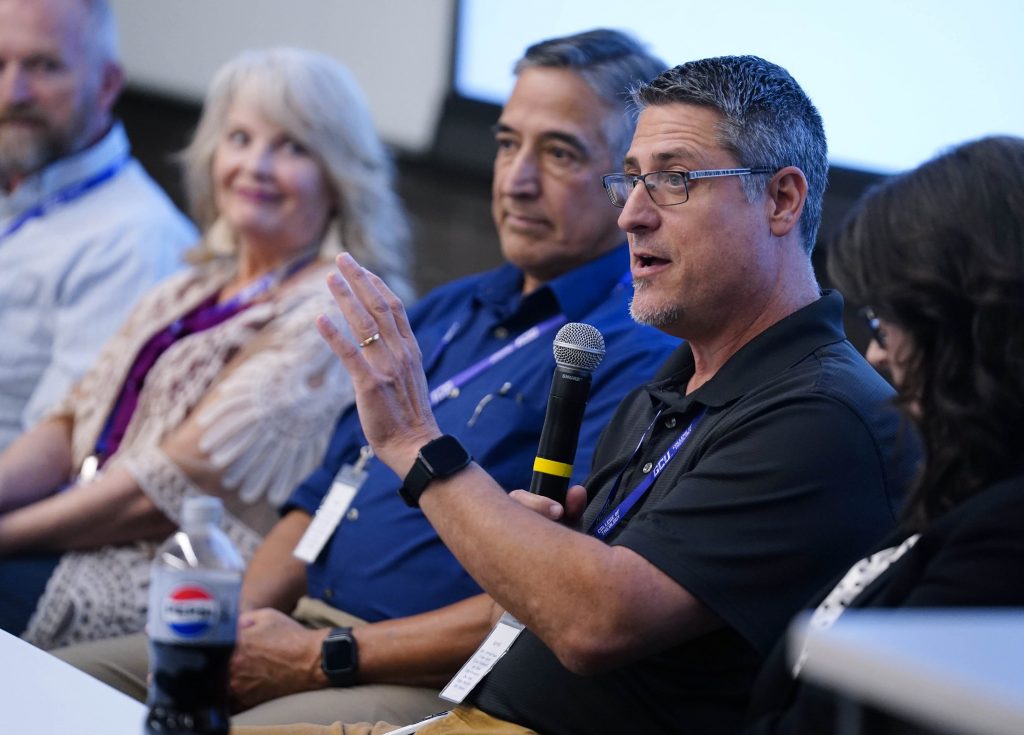
“He didn’t react – he responded,” Wueste said.
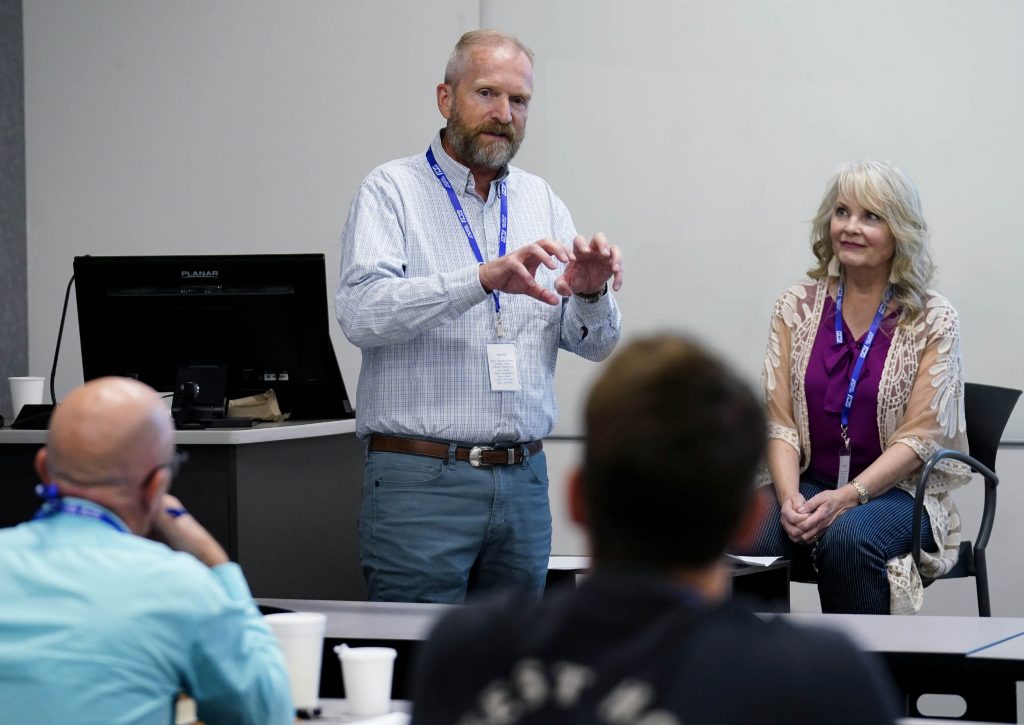
Wueste recalled the stress he endured in April 2008, when he fired an associate pastor, who then balked before rallying for support and submitting an email asking for Wueste to be removed from his duties as pastor of the church he founded. It was the same day Wueste was officiating his father's wedding.
An emotional Wueste said he wanted to fight back before actually tendering his resignation. But he didn’t retaliate. The board rejected his letter of resignation, and the wedding went off without a hitch.
“What I've learned is it's not about trying to be relaxed or trying to act in some way that we perceive as Christlike, but it's about cultivating a life that produces relaxed responses in the midst of the storms,” Wueste said.
“Think of Jesus sleeping on the boat in the middle of a storm, pretty relaxed. You have to be kind of relaxed sometimes to sleep through a storm when you're in your bed on land that's been stable. But to be in a boat that's rocking back and forth, and He was sleeping? Think about Jesus standing before His accusers and not uttering a word, not defending Himself.”
Dr. Jim Burnett, director of the Barnabas Pastoral Program at GCU, and his wife, Kay, a doctoral candidate from Trinity Bible College, spoke on “Living Life to the Fullest Through the Two Greatest Commandments.”
“True abundance is not material but spiritual, rooted in a deep relationship with Christ,” Jim said. “Fullness of life comes through submission, obedience and intimacy with God. Get to know and appreciate Him.”
In following the two greatest commandments of loving the Lord with all your heart, soul and mind, and love your neighbor as yourself, Jim stressed, “a heart that truly loves God results in compassion, humility and Christlike service.”
He also concurred with Wueste, citing 12th century French monk Bernard of Clairvaux, who wrote, “If you are wise, you will show yourself rather as a reservoir than as a canal.”
Clairvaux’s inference is that if you act like a canal, you take the stuff you hear and give it away.
“For those of us in ministry, how often do you hear a sermon or hear someone else (saying), ‘I can’t wait to teach that’ or ‘That will be great for my next sermon’?" Wueste said. “That’s kind of a canal sort of thing.”
A reservoir, meanwhile, fills up before overflowing without losing any of its own fullness. God floods us with his grace, allowing us to work, live and serve others out of the overflow and bring grace to the lives of others without being diminished.
A chart from “The Cycle of Grace,” written by Trevor Hudson and Jerry P. Haas in 2012, addressed the theme of achieving a grace-filled life highlighting the components of acceptance, sustenance, significance and fruitfulness.
Jesus started His life in ministry from a place of acceptance as the beloved son and being sustained in going to the prayer closet, being sent to the wilderness after being baptized and where everything affirmed was now tested.
As for significance, Jesus “knew who He was,” said Wueste, adding that Jesus was following what the Father was doing.
“And that sense of significance only comes from a place of being nurtured and sustained in that prayer closet, in those quiet places,” Wueste said.
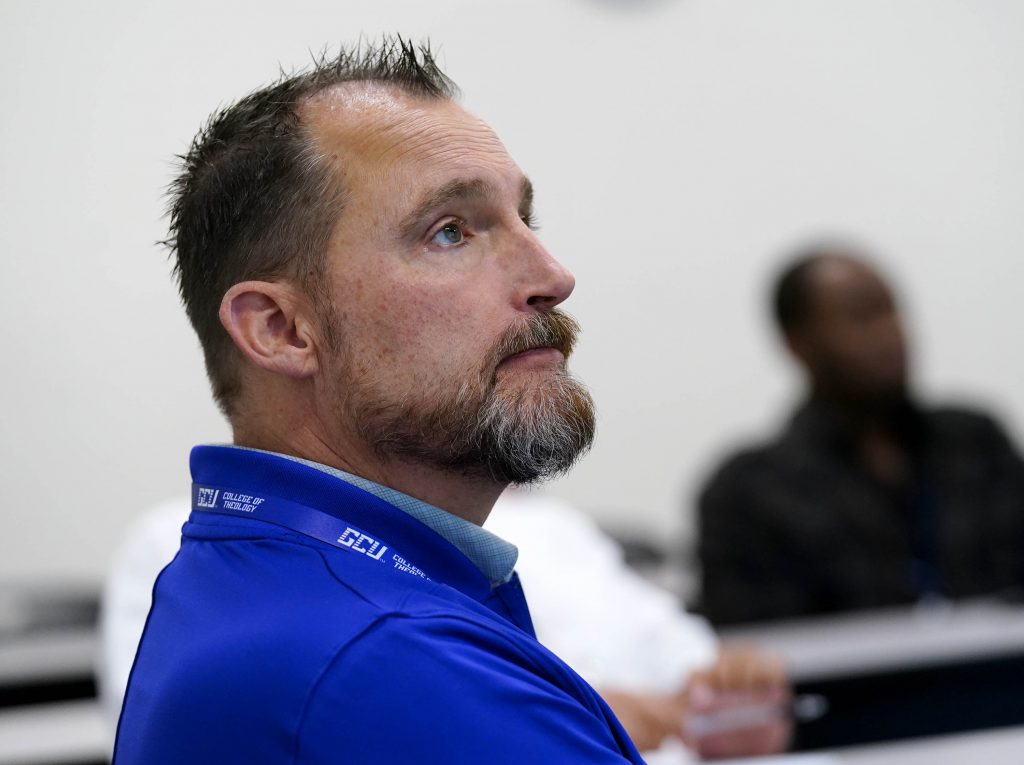
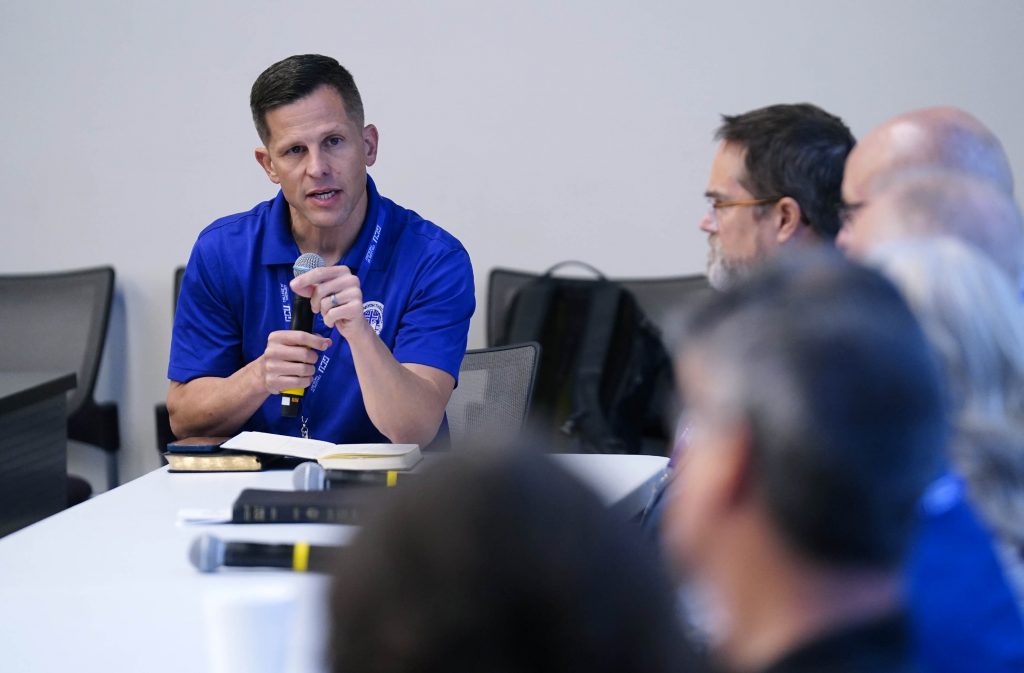
GCU College of Theology professor Mark Olmos, who spoke on “Ordering Your Life Around Who Matters Most,” emphasized the calmness of “coffee time with Jesus” during a panel question-and-answer session at the end of the conference that was moderated by seminary director Dr. Joshua Anderson.
Pete Charpentier, assistant professor of theology and master of divinity department chair, and his wife, Wendy, shared their experiences of sharing their stories as leaders in a celebrate recovery group that fostered support and comfort among members while emphasizing the need to keep those stories in a small, confidential group.
GCU professor and Children of Promise International Vice President Todd Forrest spoke on “Monks, Missionaries and Machines,” balancing the active and contemplative facets of ministry.
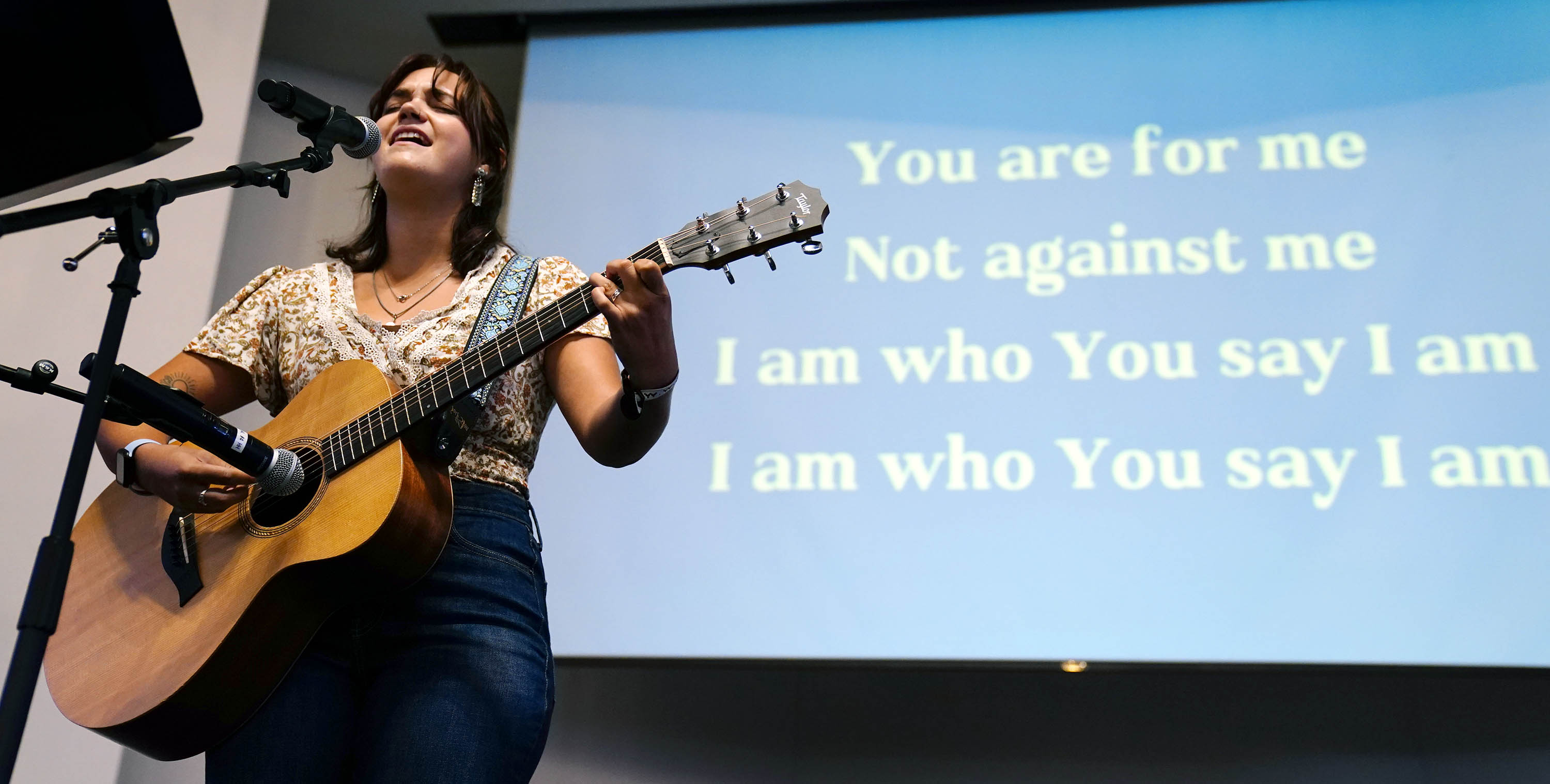
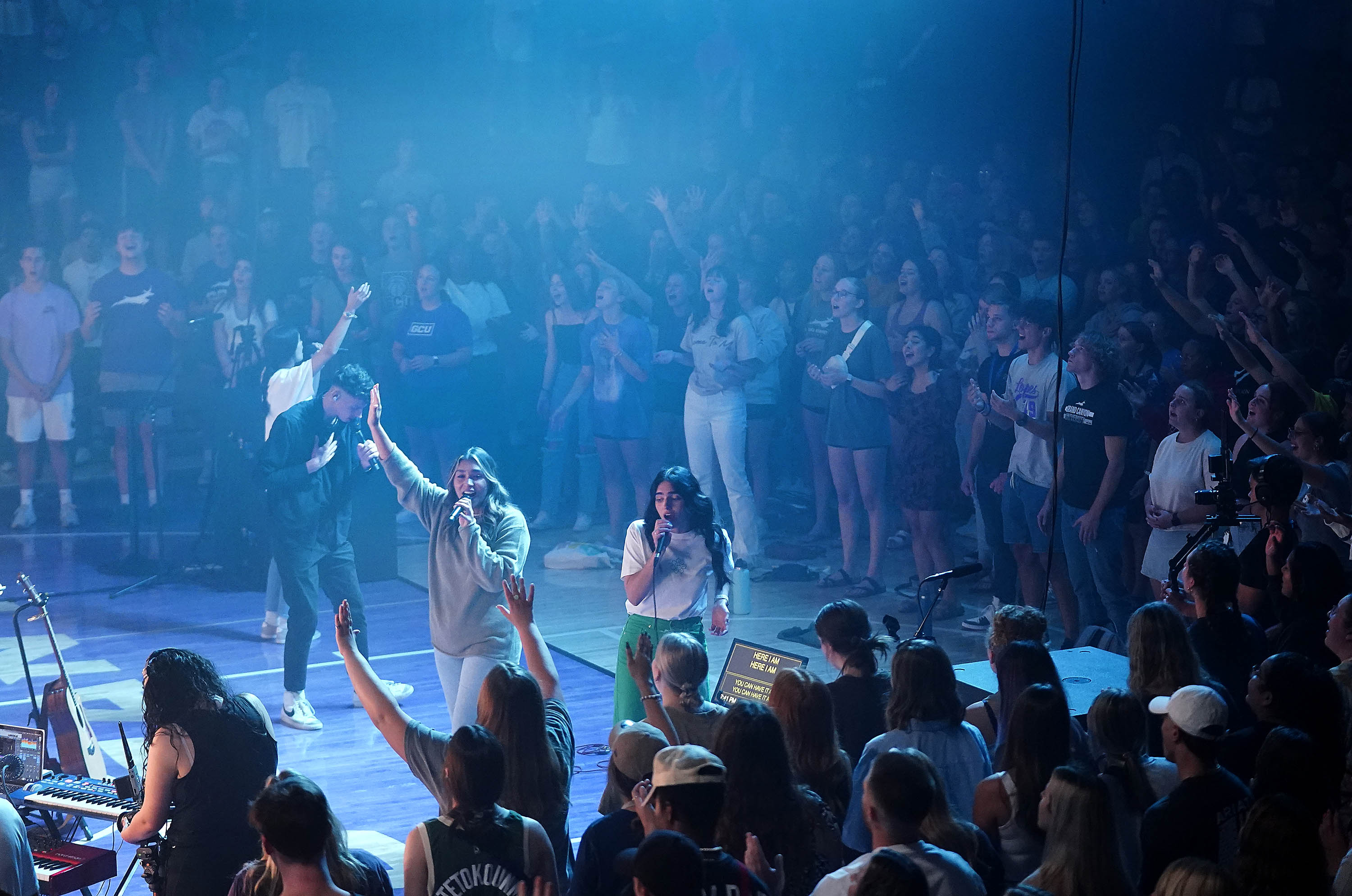
Moises Felipe, director of the university's Center for Worship Arts, led worship with worship arts majors Carson Yocum, Isaac Bailey and Cece Bedore performing.
GCU senior writer Mark Gonzales can be reached at [email protected]
***
Related content:
GCU News: Seminary students spread goodwill to Kenya
GCU News: College of Theology makes an impact at national convention