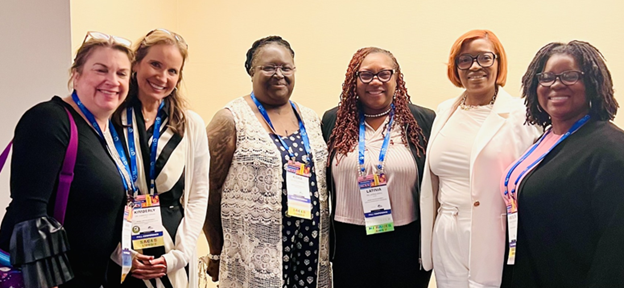
A team of Grand Canyon University counseling department faculty and a GCU doctoral student in counselor education and supervision presented at the 2025 Association for Counselor Education and Supervision conference recently.
During the national conference, held in Philadelphia, they sought to facilitate the growth and development of counselor educators and doctoral students in the following presentations:
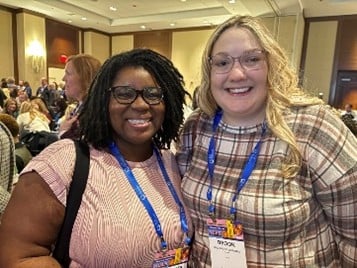
GCU faculty member Dr. Ang’elita Dawkins and doctoral learner Brook Cardenas facilitated a roundtable discussion on “Conquering the ‘Big Bad Wolf’: Addressing Imposter Syndrome in Counselors-in-Training.” They discussed the underlying factors of imposter syndrome and offered affirmation cards as takeaways for participants to remember their capabilities and capacity to do great things.
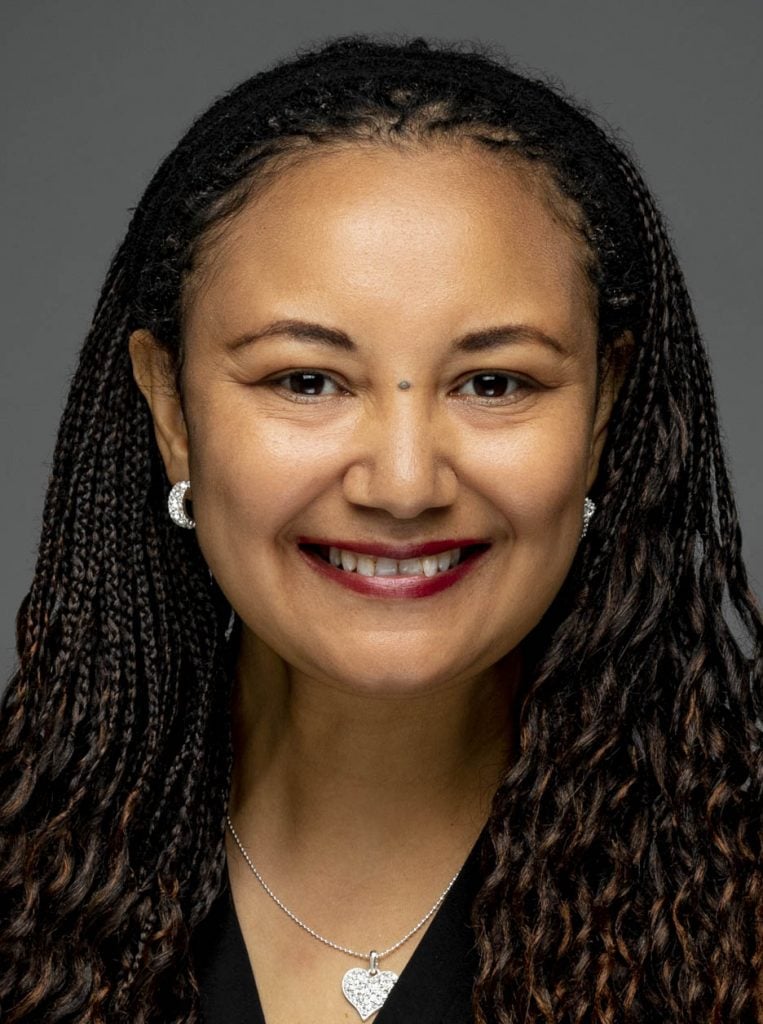
Dr. Anna Edgeston, the College of Humanities and Social Sciences assistant dean, was part of a duo who presented “Experiences of Black African Immigrant Graduate Students in Higher Education: What Counselor Educators Need to Know and Do.” In their presentation, they discussed pedagogical implications for counselor educators and opportunities for providing best practices when serving oppressed and marginalized communities.
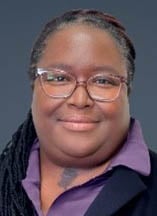
Dr. Kisha Norman presented “Navigating Career Decision-Making for Rural BIPOC CES Doctoral Students,” exploring the unique challenges that rural Black, indigenous and people of color doctoral students face in counselor education programs and ways to support them.
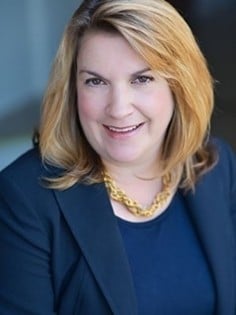
Dr. Sarah Patterson-Mills presented with a team “Career Counseling: Bringing the 2024 CACREP Standards to Life!” In this presentation, the team provided structured time for participants to discover opportunities to create more engaging classes that are connected to students’ real-world needs while applying accrediting agency standards. In her second presentation, Dr. Patterson-Mills joined the Career Interest Network in presenting “Qualitative Strategies in Career Counseling Courses,” discussing how to apply qualitative tools to support diverse clients and enhance the training and competence preparation of future counselors.
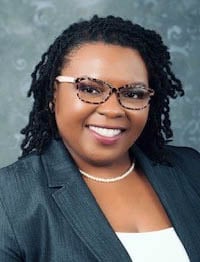
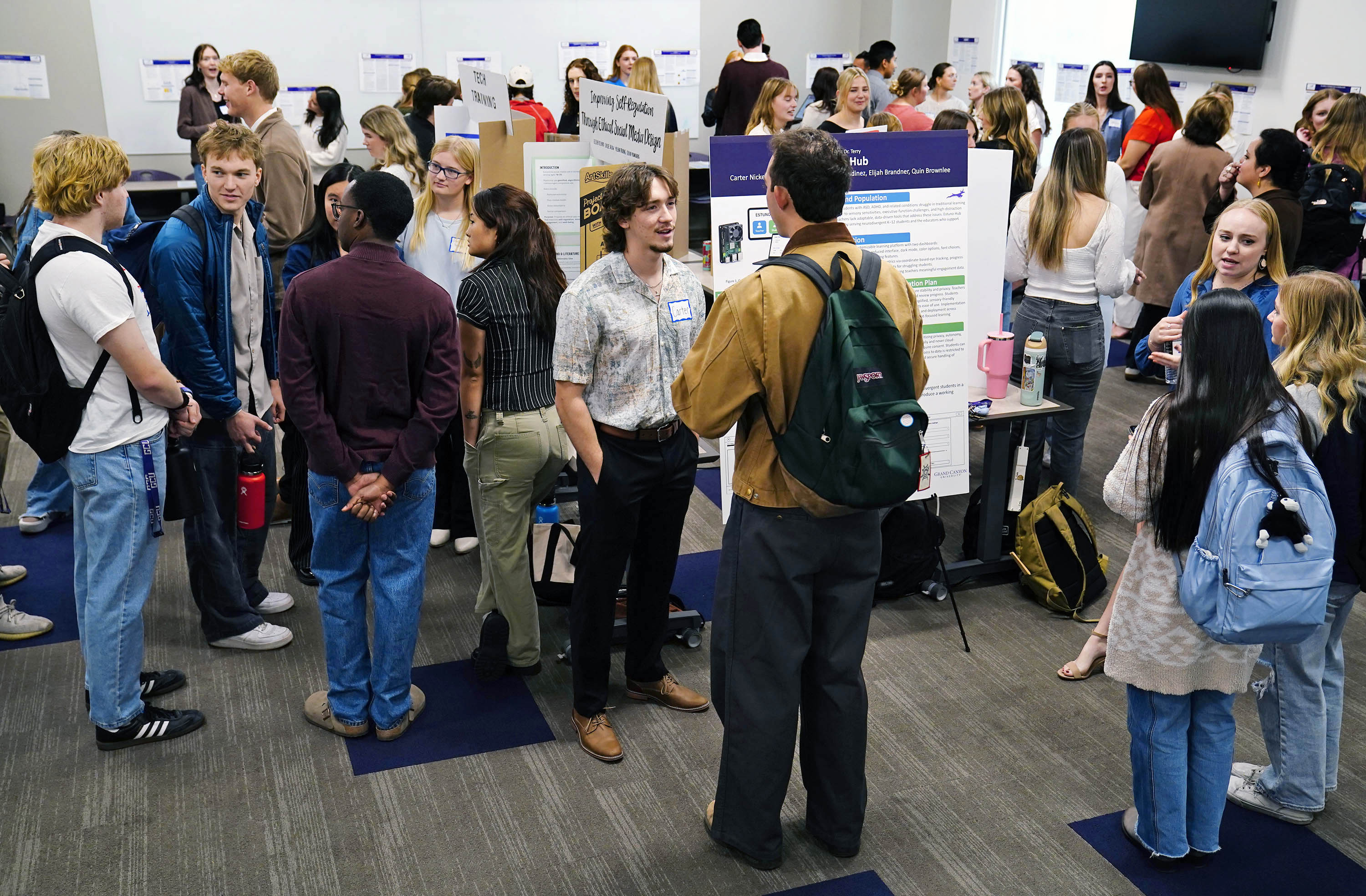
Dr. Mariama Sandifer led a poster presentation with professionals from other universities on “School Counseling Students on the Job: Enhancing Clinical Readiness.” Their presentation addressed the unique experiences that school counselor trainees face as they pursue their graduate degrees. They presented findings from the team’s study on the clinical preparation of job-embedded students.

Dr. Latinia Shell was among a duo presenting, “How I Got Over: The Educational Pursuit of BIPOC Scholars.” In the presentation, they explored systemic issues that affect the development of BIPOC scholars.
Dr. Jennifer Smith and Dr. Startasha Dillard were part of a team presenting “Preparing Counselors to Serve Those Who Served: Infusing Military-specific Knowledge and Skills into Counselor Training.” They identified strategies to incorporate into counselor development to address the gap in clinical competency when working with those who have served in the armed forces.
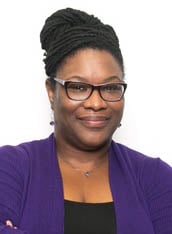
Dr. Veronica Wade-Hamptom led a poster presentation on “Clinical Supervisors Matter: How Their Experiences Shape the Next Generation of Counselors.” In conversations with attendees, Wade-Hampton discussed the challenges of supervisory development and the impact of mentorship, collaboration, and professional growth.
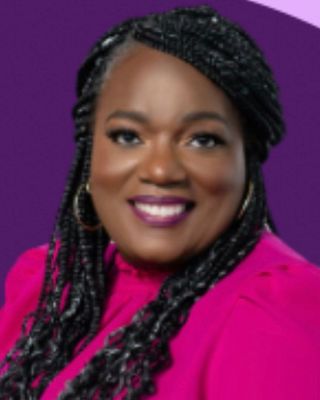
Dr. Zandra Rutledge, a GCU counseling adjunct faculty member, led a roundtable discussion titled, “To Ph.D. or Not to Ph.D.: That Is the Question,” on the factors to consider when deciding to try to earn a doctorate.