Written by Sydney Cox
Campus Health student leader
GCU Canyon Health and Wellness Clinic
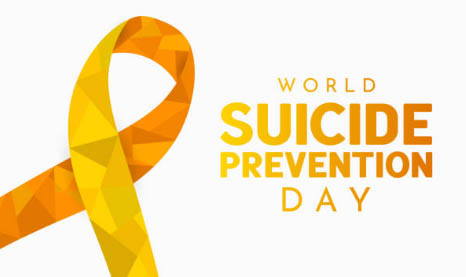
Every year, on Sept. 10, World Suicide Prevention Day, millions pause to reflect on the silent crisis of suicide.
For college students, this day comes at a meaningful time – the start of a new school year. Students are getting back into the swing of college life, with many of them starting a new chapter. Staff are welcoming new students, supporting returning ones and adapting to the fast pace of the academic calendar. Professors, advisors, and campus staff often take on additional responsibilities, such as teaching, mentoring and checking in on student well-being, all while balancing their own pressures.
The new semester brings excitement, fresh opportunities and challenges, but it also can bring stress, pressure and feelings of isolation. It's why starting these conversations now is important to help build a community where students and staff feel supported and know they are not alone.
Why this matters on campus
Among college students, suicide is the second leading cause of death. Each year, approximately 24,000 students attempt suicide, and about 1,100 of those attempts are fatal. Even if you’ve never experienced these thoughts, you may know someone who has – 65% of college students report knowing someone who has attempted or died by suicide.
Among adults in the U.S., about 49,300 fatal suicides were recorded in 2024. With a recent survey indicating that over 14 million adults had serious thoughts of suicide and 2.2 million attempted.
Also, a recent survey by the Healthy Minds Network found 5% of higher education faculty and staff reported having serious thoughts or planned suicide in the past year. With over 4 million people employed by postsecondary institutions in the U.S., about 200,000 staff members have admitted to being troubled by suicide.
While suicide and mental health are talked about more now than 20 years ago, stigma still lingers. Misconceptions, such as “people who talk about suicide are just seeking attention” or “asking someone about suicide puts the idea in their head,” are not only false but also dangerous.
Research shows that most people who die by suicide shared their intentions with someone beforehand. And directly asking someone if they are thinking about suicide does not increase risk – on the contrary, it can provide relief and open a pathway to support.
Warning signs
According to the National Institute of Mental Health, some warning signs may include:
- Isolation, hopelessness or drastic mood changes
- Talking about wanting to die or researching ways to do so
- Withdrawing from friends, saying goodbye or giving away important belongings
- Engaging in risky behaviors (such as reckless driving)
- Major changes in sleep or eating patterns
- Increased drug or alcohol use
Supporting yourself and others
Everyone can play a role in suicide prevention, whether you’re a student, staff member or friend.
To support your own mental health:
- Prioritize sleep, balanced nutrition and regular movement.
- Use stress management tools (such as journaling, meditation or deep breathing).
- Stay socially connected and lean on trusted relationships.
To support others:
- Ask directly if someone is struggling; don’t avoid the question.
- Listen without judgment and show compassion
- Encourage professional support and share resources.
Suicide is preventable
Suicide Prevention Day reminds us how serious this issue is while honoring those we’ve lost. But the most important message is one of hope: suicide is preventable. Talking about it breaks down stigma and saves lives.
If you or someone you know is struggling, please reach out. You are not alone.
Resources:
- 988 Suicide & Crisis Lifeline: Dial or text 988 any time for 24/7 free, confidential support.
- Campus Counseling Services: Office of Student Care: Second floor of Building 26, also reachable at 602-639-7007 or at [email protected]
- Public Safety: Call 602-639-8100.