
Photos by Ralph Freso
The glamour of representing top professional athletes comes with two prerequisites.
First, once you agree to represent athletes, you stick with them through thick and thin.
Second, one of the most important lessons is learning how to listen.
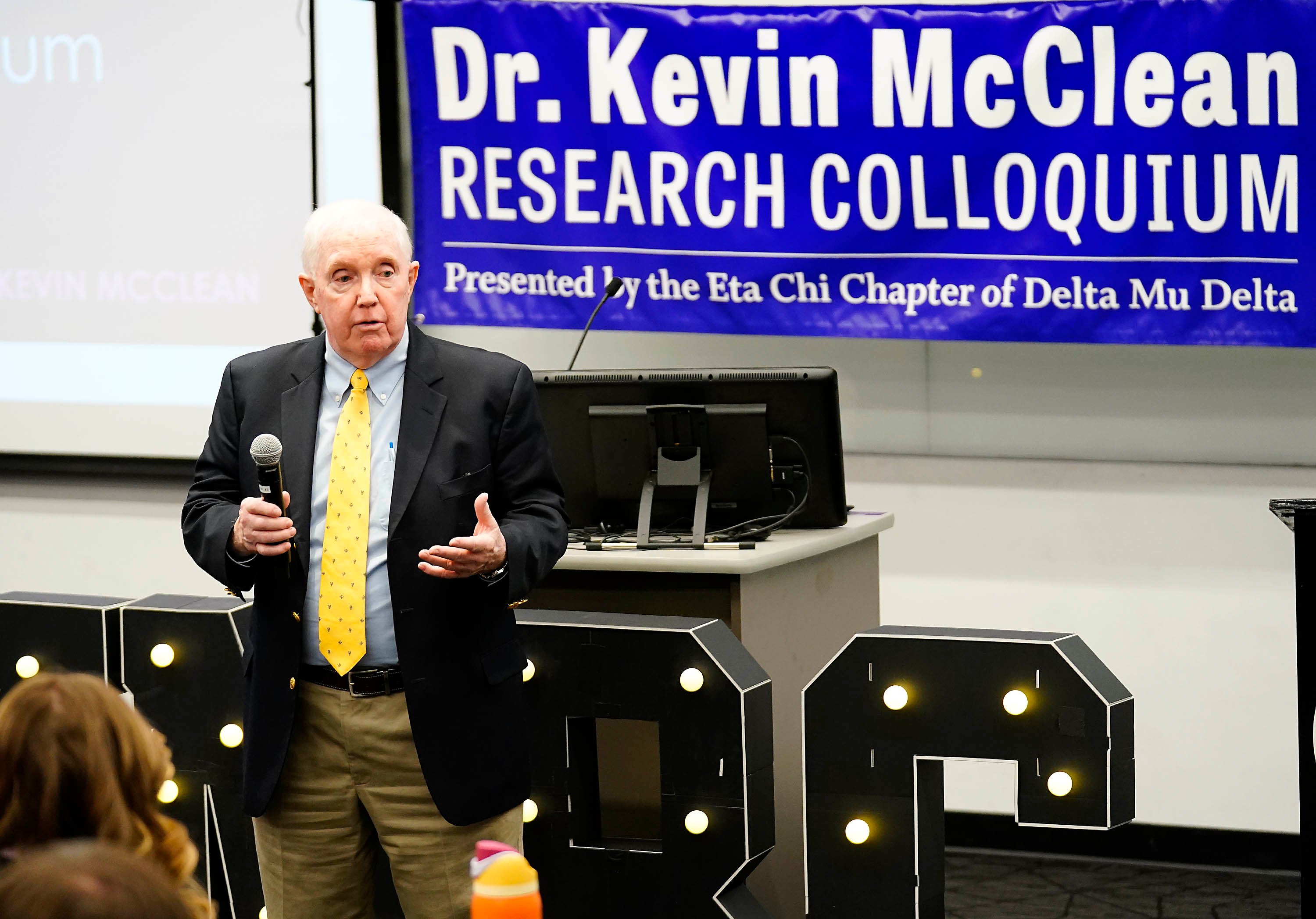
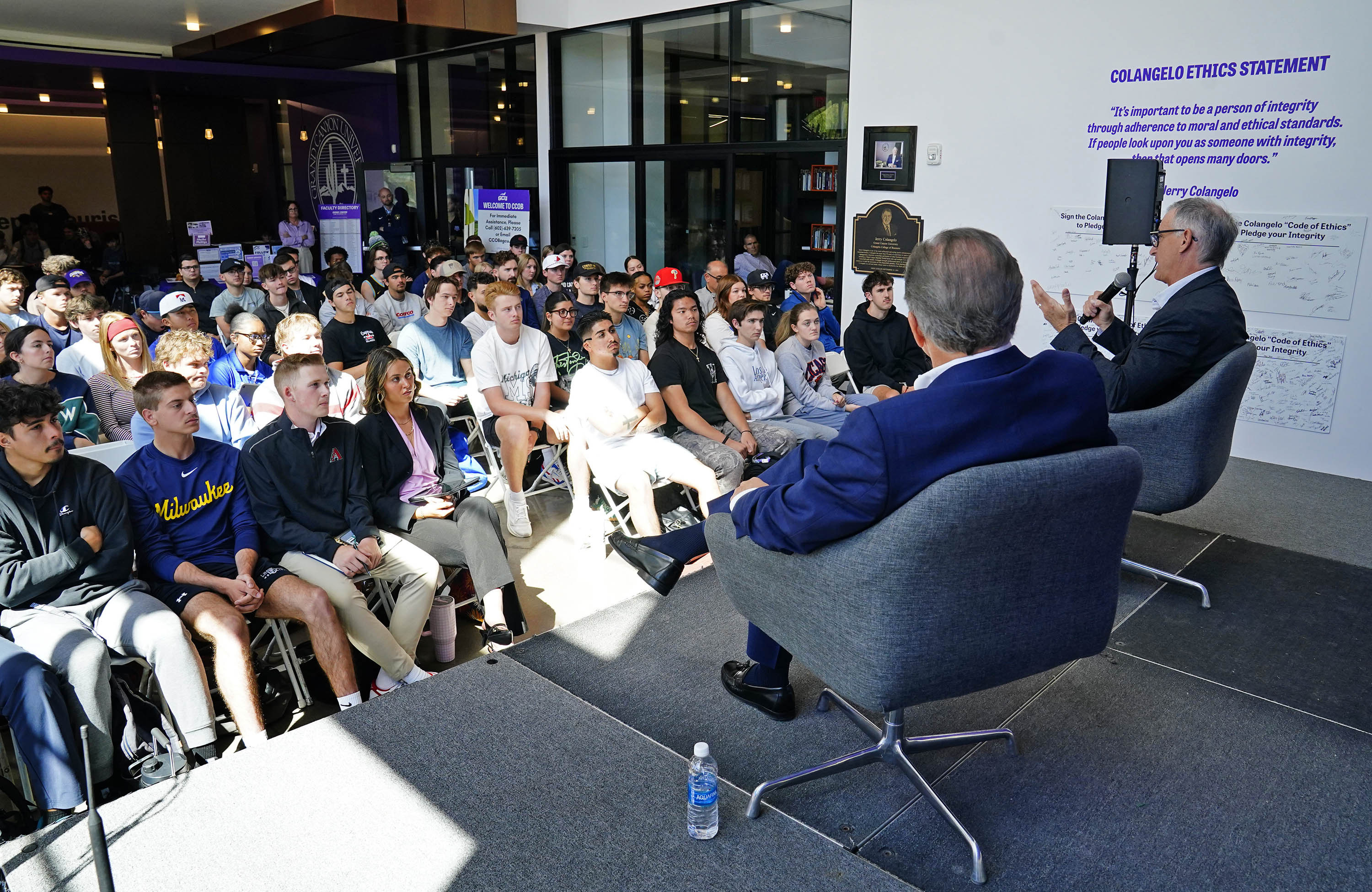
Those elements were stressed by renowned sports agent Leigh Steinberg during his first visit to Grand Canyon University in 12 years as part of the T.W. Lewis Speaker Series at a packed Colangelo College of Business lobby.
Steinberg’s recently released book, "The Comeback," expands on his roller-coaster ride in life as well as how a few of his marquee clients – including Professional Football Hall of Fame quarterbacks Troy Aikman, Warren Moon and Steve Young – showed resilience after adversity.
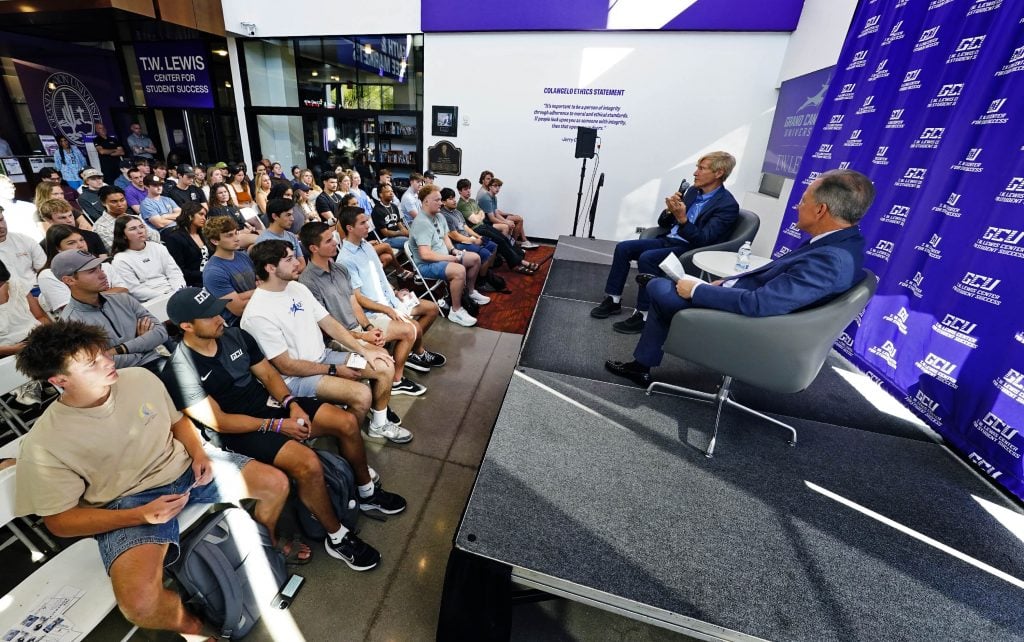
“It happens to us all in some form,” Steinberg told students. “The question is, how do you respond?”
Steinberg, credited as the real-life inspiration for Oscar-winning ilm "Jerry Maguire," said he needed to “break denial” after alcohol addiction crashed his agency, which once represented half the starting quarterbacks in the National Football League.
“It took a higher power in my life,” said Steinberg, who celebrated 16 years of sobriety on March 21. “I couldn’t do it alone.”
Steinberg’s practice, meanwhile, rebounded with the representation of three-time Super Bowl-winning quarterback Patrick Mahomes.
Steinberg described listening as the most important skill in life.
“Hone your listening skills,” Steinberg told students. “Create an atmosphere of trust around another human so they feel comfortable and reveal themselves. Then you understand their human anxieties and fears.
“Put yourself in their heart and minds. Relationships start that way.”

Steinberg often asks prospective clients for their internal values, which could range from short-term economic gain, long-term financial security, spiritual values, living in a certain area or family considerations.
As a dorm counselor at the University of California at Berkeley in the early 1970s, Steinberg met freshman football player Steve Bartkowski, who became his first client and the first overall pick in the 1975 draft. Bartkowski was the first of 64 first-round picks represented by Steinberg. Warren Moon, another Steinberg client, selected him to deliver his introductory speech after Moon was the first Black quarterback inducted into the Hall of Fame.
But Steinberg’s listening skills weren’t limited to football players. He would volunteer to transport guest speakers from the airport to the university, getting quality time with a U.S. senator or a famous author. CCOB Dean John Kaites, who moderated the event, disclosed that at 29, he volunteered to drive U.S. Senator John McCain around the Valley and gained so much wisdom that he took time from his schedule to spend time with him and learn from him.
In addition to listening, Steinberg examines if potential clients have a “spiritual center,” a work ethic that’s pristine and how they deal with adversity.
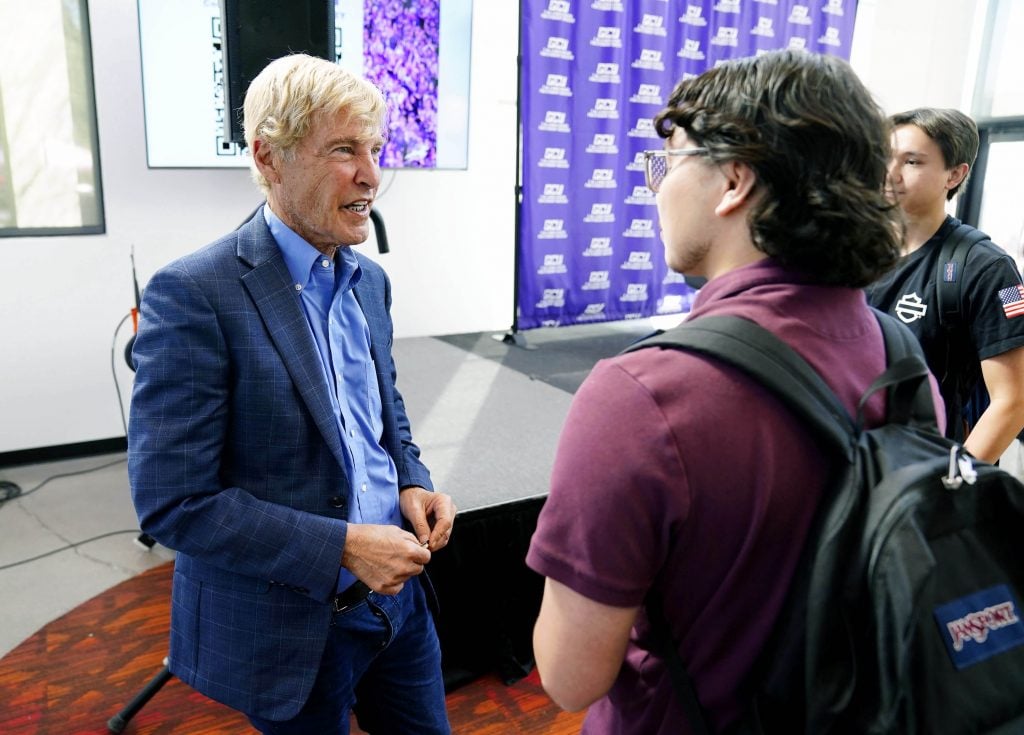
Steinberg takes immense pride in representing two clients who are now minority owners of NFL teams and two other former players who have set up hedge funds.
Steinberg said he originally built his practice around the athlete being a role model, encouraging his clients to set up scholarship programs in their high school and college communities, work with churches and/or youth clubs, and establish a foundation with business, political and community leaders.
Former NFL running back Warrick Dunn, a Steinberg client, set up a program that has assisted more than 200 single-parent families in first-time home ownership.
Three-time heavyweight boxing champion Lennox Lewis, another Steinberg client, taped a public service announcement against domestic violence.
“Athletes can send a message,” Steinberg said.
But damage control often is part of an agent’s job. The first part is to “wrap your arms around the facts,” noting that the issue often affects a disappointed ownership group, front office, coaching staff and fan base.
The athlete must say, “I made a mistake,” Steinberg said. “If you don’t do that, then you have a repetitive news cycle going on and on.”
Steinberg said NFL quarterback Michael Vick made a mistake when he expressed his disappointment that he would not be with his teammates at training camp after being implicated in a dog fighting ring in 2007 for which he later admitted guilt.
“The most important thing is to show you’ve taken steps toward preventing a recurrence,” said Steinberg, suggesting a guilty athlete seek treatment immediately if charged with abuse.
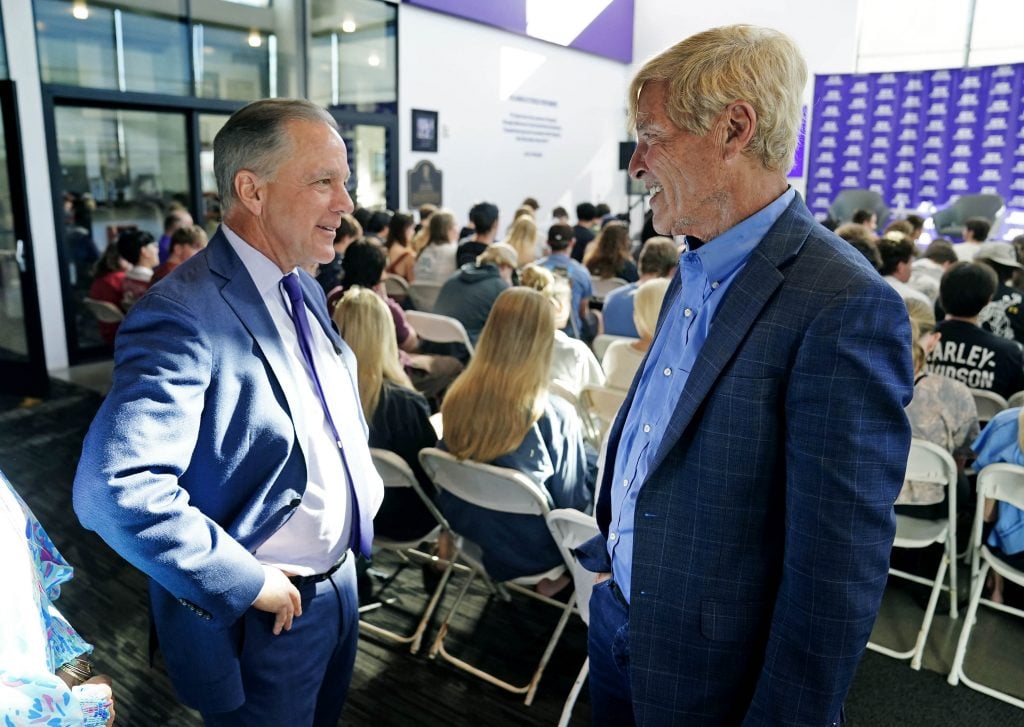
In a question-and-answer session, students wanted to know everything from the impact of a millionaires’ tax on athletes in the state of Washington, tough negotiations and soccer’s popularity in the United States.
Steinberg estimates he receives about 15,000 resumes a year, stressing that applicants need to distinguish themselves. During a stop at Baylor University during one book tour, Steinberg stopped at the Dr Pepper Museum in Waco, Texas.
A few weeks later, Steinberg received a box containing a bottle of Dr Pepper. But the bottle’s label read: “Established in 1975,” referring to the start of Steinberg’s agency, with the contents stating perseverance, creativity and loyalty at 100%. It included a photo of the student and Steinberg where the soft drink’s logo is placed.
“And we hired him because he put himself in the heart and mind of our group and showed creative skills,” Steinberg said.
Many certified professional agents possess law or master’s degrees in business while passing an array of rules and background screening.
But there is one class that Steinberg believes is as important as any – psychology.
“You figure out people’s behavior,” Steinberg said. “You figure out what motivates them. Everything is about interacting with people.”
GCU News senior writer Mark Gonzales can be reached at [email protected]
***
Related content